
Tunneling for Slab Leak Repair in Little Elm, TX
Quick answer: Tunneling in Little Elm typically costs $3,000 to $5,000. A crew digs a tunnel under your home from an outside entry point, so the leaking pipe under the slab can be repaired or replaced from below while your floors, tile, and cabinets stay completely untouched. It costs more than opening the slab, and it is worth it when the floors are the thing you cannot replace. Call ElmLeak at (972) 555 0134 to discuss whether tunneling fits your repair.
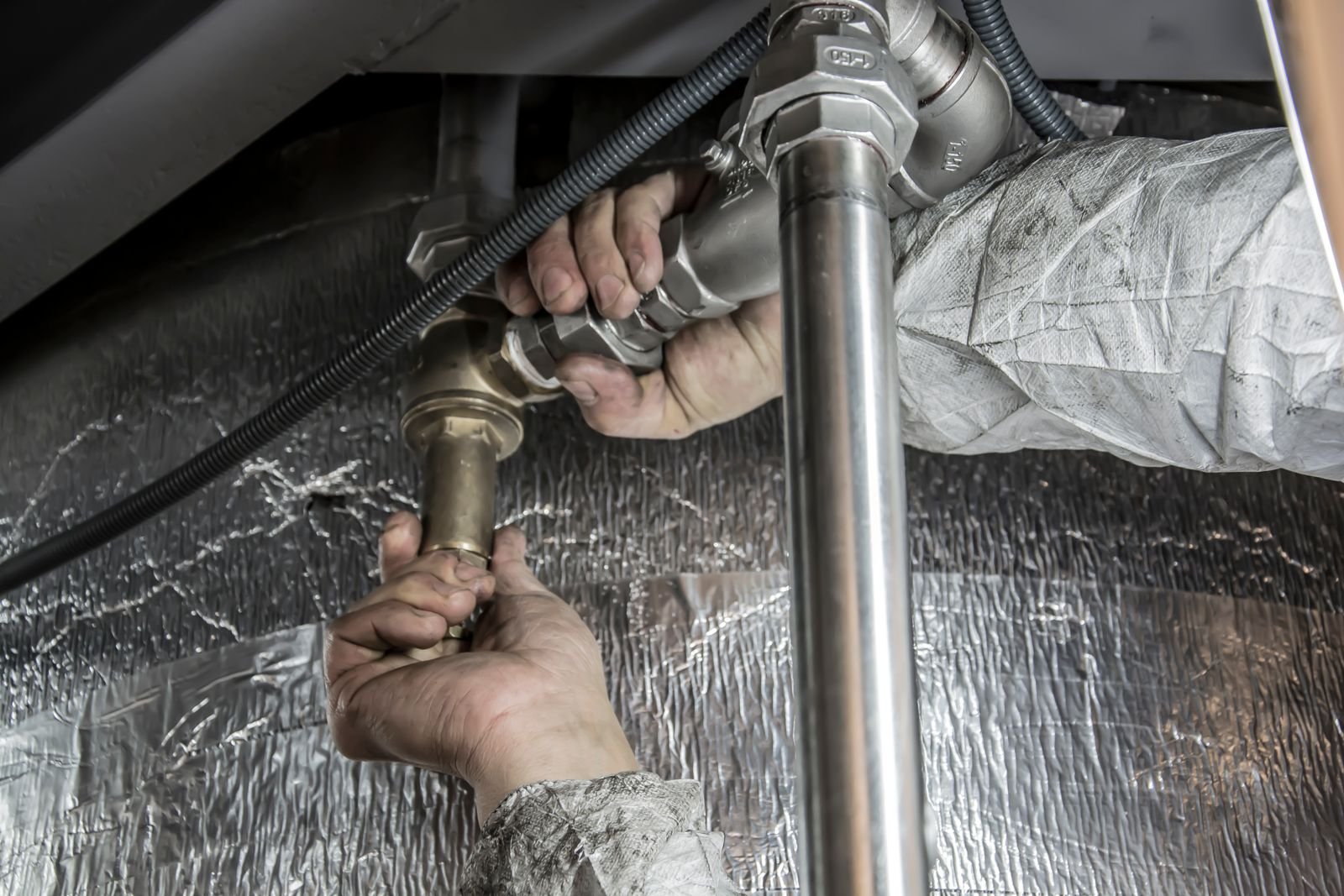
What Tunneling Is
Tunneling is an access method, not a different repair. The pipe under your slab still gets repaired or replaced the same way. The difference is how the plumber reaches it: from underneath, through a hand dug tunnel that starts outside your home and runs under the foundation to the exact spot below the leak.
The usual alternative, a spot repair, reaches the pipe from above, through your floor. That is cheaper, and for many homes it is the sensible choice. But some floors should not be opened: original hardwood, large format tile that cannot be matched anymore, heated floors, or a leak that sits under kitchen cabinets or a built in fixture where opening from above means demolition well beyond the pipe. Tunneling trades a higher labor cost for zero interior damage.
It is also the practical route when the work under the slab is bigger than one spot: a longer section of line to replace, or more than one problem area under the same part of the house. One tunnel can give access to all of it. In Little Elm, tunneling crews also work around a local reality: most homes sit on slabs over Denton County clay soil that swells when wet and shrinks when dry. Excavated clay has to be handled and backfilled with care, because the soil under your foundation is part of what holds the house up.
How the Tunneling Process Works
Step 1: Detection Pinpoints the Target
Tunneling starts with detection, same as every repair we do. The tunnel is dug to a proven spot, not a guess. Detection tells us exactly where the leak is and how far the tunnel needs to run from the nearest outside wall.
Step 2: The Entry and Tunnel Are Dug
The crew opens an entry point outside the home and digs by hand toward the target, removing soil as they go and supporting the work area as needed. Hand digging is deliberate: it protects the foundation, the other buried lines, and the pipe being repaired.
Step 3: The Pipe Is Repaired From Below
Working in the tunnel, the technician repairs or replaces the damaged section of pipe. Because the access is from below, a longer section can be replaced than a spot repair from above usually allows, and the condition of the surrounding line can be inspected properly.
Step 4: Testing, Backfill, and Compaction
The repaired line is pressure tested while the tunnel is still open, so any problem is found while it is still reachable. Then the tunnel is backfilled and the soil compacted in layers, which matters in clay country: loose backfill under a slab can settle and leave the foundation unevenly supported. We explain how your tunnel will be closed before work starts, not after.
Typical Tunneling Costs
| Service | Typical Cost |
|---|---|
| Full repair by tunneling | $3,000 to $5,000 |
| Spot repair through the slab (for comparison) | $1,200 to $2,500 |
Where your job lands in the range depends mainly on the length of the tunnel and how much pipe is replaced once it is reached. The honest comparison is not tunnel price versus spot repair price. It is tunnel price versus spot repair price plus replacing the flooring that a spot repair would have destroyed. When the flooring is ordinary and replaceable, the spot repair usually wins. When it is not, tunneling is the cheaper way to keep it.
When Tunneling Is the Right Choice
- The leak is under flooring that cannot be matched or replaced, such as original hardwood or discontinued tile
- The leak sits under cabinets, a tub, or another built in fixture
- A long section of pipe needs replacing, not just one spot
- More than one problem area sits under the same part of the house
- You want the repair done with no interior demolition at all
Choose a spot repair when the floor above the leak is standard and easy to restore, and choose rerouting when the failing line can simply be abandoned and run overhead instead. At your detection visit we price the options that genuinely apply to your home and explain the tradeoff in plain terms.
Tunneling Questions, Answered
ElmLeak is the tunneling specialist Little Elm homeowners call when the pipe must be fixed but the floors cannot be touched. ElmLeak digs by hand under your Little Elm home from an outside entry point, repairs or replaces the pipe from below, and backfills and compacts the soil in layers.
Tunneling in Little Elm with ElmLeak typically costs $3,000 to $5,000, depending mainly on the length of the tunnel and how much pipe is replaced. Compare it with a spot repair at $1,200 to $2,500 plus replacing destroyed flooring: when your Little Elm flooring cannot be replaced, tunneling is the cheaper way to keep it.
Tunneling is an access method, not a different repair. The pipe under your Little Elm slab still gets repaired or replaced the same way, but ElmLeak reaches it from underneath, through a hand dug tunnel that starts outside your Little Elm home and runs under the foundation to the exact spot below the leak.
Done properly, yes. The ElmLeak tunnel under your Little Elm home is dug by hand, only as large as the work requires, and the soil is backfilled and compacted in layers when the repair is done. ElmLeak explains exactly how your Little Elm tunnel will be closed before work starts, not after.
Most ElmLeak tunneling projects in Little Elm take two to three days, depending on the length of the tunnel and the size of the repair at the end of it. Your Little Elm floors stay usable throughout, and you can stay in the home while the work happens outside and underneath it.
No. The entry point outside your Little Elm home is restored when the ElmLeak job is finished, and the tunnel itself is fully backfilled, so there is nothing left open under your home. Inside your Little Elm home there is nothing to see at all, which is the point of the method.
Choose ElmLeak tunneling in Little Elm when the leak is under flooring that cannot be matched or replaced, under cabinets or a built in fixture, when a long pipe section needs replacing, or when more than one problem area sits under the same part of your Little Elm home.
Yes. Because ElmLeak access is from below, a longer section of pipe under your Little Elm home can be replaced than a spot repair from above usually allows, and the condition of the surrounding line can be inspected properly. One ElmLeak tunnel can give access to all of it in your Little Elm home.
Rerouting abandons the failing line and runs a new one overhead, which ElmLeak recommends when that is possible for your Little Elm home. Tunneling keeps the pipe where it is and reaches it from below, which suits Little Elm repairs where the line itself should stay in place and only the access route changes.
ElmLeak pressure tests the repaired line while the tunnel under your Little Elm home is still open, so any problem is found while it is still reachable. Only after the test passes does ElmLeak backfill your Little Elm tunnel and compact the soil in layers, because that backfill supports your slab afterward.
Floors you cannot replace, and a leak you cannot ignore?
Tunneling solves both. Call ElmLeak at (972) 555 0134 to start with detection and a priced comparison of your options.