
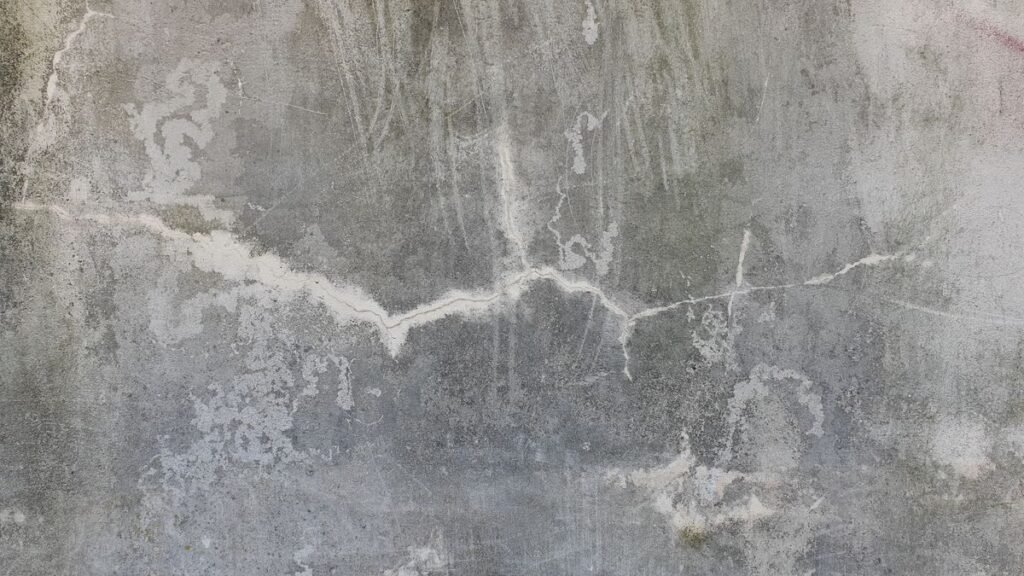
A crack in your foundation wall or slab can look alarming, and it can also look harmless. The difference matters, because the right repair depends on what caused the crack, whether water is getting through it, and whether it is still moving. This guide helps you sort cracks into useful groups, choose a sensible next step for each group, and avoid paying for a fix that only covers the surface while the real problem keeps working underneath.
Read the Crack Before You Choose a Repair
Cracks tell a story through their shape and location. A thin, straight hairline crack that runs vertically often comes from normal curing and minor settlement, and it may need nothing more than monitoring and sealing against water. A horizontal crack, a crack that steps like stairs through brick or block, or a crack that is wider at one end than the other deserves closer attention, because those patterns can point to pressure or uneven movement. A crack that lets water in is a different problem from a dry crack, even if the two cracks look similar on the surface. Your decision should follow the pattern, the water, and the movement, not the size alone.
What Works for Each Crack Type
For a dry, stable, hairline crack, the practical action is usually to seal it against moisture and keep watching it. A flexible sealant made for concrete can keep rain and pests out while still allowing tiny seasonal movement, which matters in North Texas soil that swells and shrinks with moisture changes. Clean the crack, remove loose material, and apply the sealant neatly so you can still see the crack line later if it changes. Avoid rigid patching compounds that crack again at the first sign of movement, and avoid painting over a crack to hide it. A seal that hides movement is worse than no seal at all, because it removes your early warning.
For a crack that leaks water, sealing the surface alone is rarely enough. Water finds the path of least resistance, so a surface patch can push water to a new entry point nearby while the original leak continues behind the wall. The action here is to find where water is coming from and how it reaches the crack, then fix that path. That may mean improving drainage away from the foundation, sealing the full depth of the crack rather than just the face, or checking whether a plumbing leak under the slab is feeding the moisture. If you suspect a pipe leak beneath the floor, arrange slab leak detection in Little Elm before you agree to a cosmetic crack repair, because repairing concrete over an active pipe leak only buys a short delay.
| Crack pattern | What it often means | Sensible next step |
|---|---|---|
| Thin vertical hairline, dry | Minor settlement or curing | Seal against moisture and monitor |
| Horizontal or stair step pattern | Pressure or uneven movement | Get a structural assessment promptly |
| Crack with water entry | Water path or possible pipe leak | Trace the water source before sealing |
| Widening crack or sticking doors nearby | Active movement | Seek professional advice without delay |
How to Compare Repair Quotes Without Getting Misled
Costs vary with the cause and the method, so use verified ranges as a planning guide rather than a quote. Detection work typically falls in the range of $200 to $450, which helps you confirm whether a pipe leak is part of the problem before concrete work begins. A focused spot repair typically falls in the range of $1,200 to $2,500, while rerouting a problem line typically falls in the range of $1,500 to $3,500 and tunneling work typically falls in the range of $3,000 to $5,000. Those ranges cover leak related work under a slab, not structural pier work, so if a contractor quotes pier or stabilisation work, ask for a separate written breakdown. Knowing the range for leak work helps you spot a quote that bundles unrelated work without explaining it.
Protect the Repair After the Work Is Done
If the crack involves a suspected pipe leak under your home, the repair path may run through a foundation leak repair service rather than a surface seal, and the right method may involve reaching the pipe with as little disruption as possible. Homeowners in Frisco, The Colony, Prosper, Aubrey, Denton, Lake Dallas, Oak Point, Cross Roads, Savannah, Hackberry, and Lakewood Village can use the same crack reading steps in this guide, because the decision always starts with pattern, water, and movement before any product is chosen.
Frequently Asked Questions
Can I seal a foundation crack myself?
You can seal a dry, stable, hairline crack yourself if you clean it well and use a flexible concrete sealant, then monitor it after rain and dry weather. Do not seal a leaking crack, a widening crack, or a crack paired with sticking doors or a bowing wall without professional advice, because those signs point to water or movement that a surface seal cannot fix.
Does every foundation crack mean structural damage?
No, many thin vertical cracks come from curing and minor settlement and need only sealing and monitoring. A crack becomes more concerning when it runs horizontally, steps through masonry, widens over time, lets water in, or appears with sticking doors, uneven floors, or a leaning wall. In those cases, get an assessment that looks at the whole home, not just the single crack.
What should I do if a crack starts leaking?
Protect belongings near the leak, photograph the water path, and avoid sealing the face of the crack until the water source is understood. Check gutters, downspouts, and grading first, then consider whether a pipe leak under the slab could be feeding the moisture. Tracing the source first prevents a patch that simply pushes water to a new entry point.
How do I know if a crack is still moving?
Mark both ends of the crack, photograph it with a clear reference point, and recheck it after rain and after a dry spell. If the marks no longer line up, the crack has widened, or new cracks appear nearby, treat it as active and seek professional advice promptly. Stable cracks keep the same marks and stay dry across changing weather.
If you are unsure what type of crack you have, or if water is coming through it, call ElmLeak at +1 (972) 472-8573 or reach us through our contact page to arrange help in Little Elm and nearby Denton County towns.
Pingback: Foundation Patching: When Patching Works and When It Doesn't