
Slab Foundations: How They Work and How to Protect Yours
If your Little Elm home sits on a slab foundation, the concrete floor you walk on carries the weight of your walls, your roof, and your furniture. It also hides the water lines and drain lines that serve your kitchen, bathrooms, laundry room, and water heater. Understanding that arrangement helps you spot trouble early, ask better questions, and protect your home.
What a Slab Foundation Actually Is
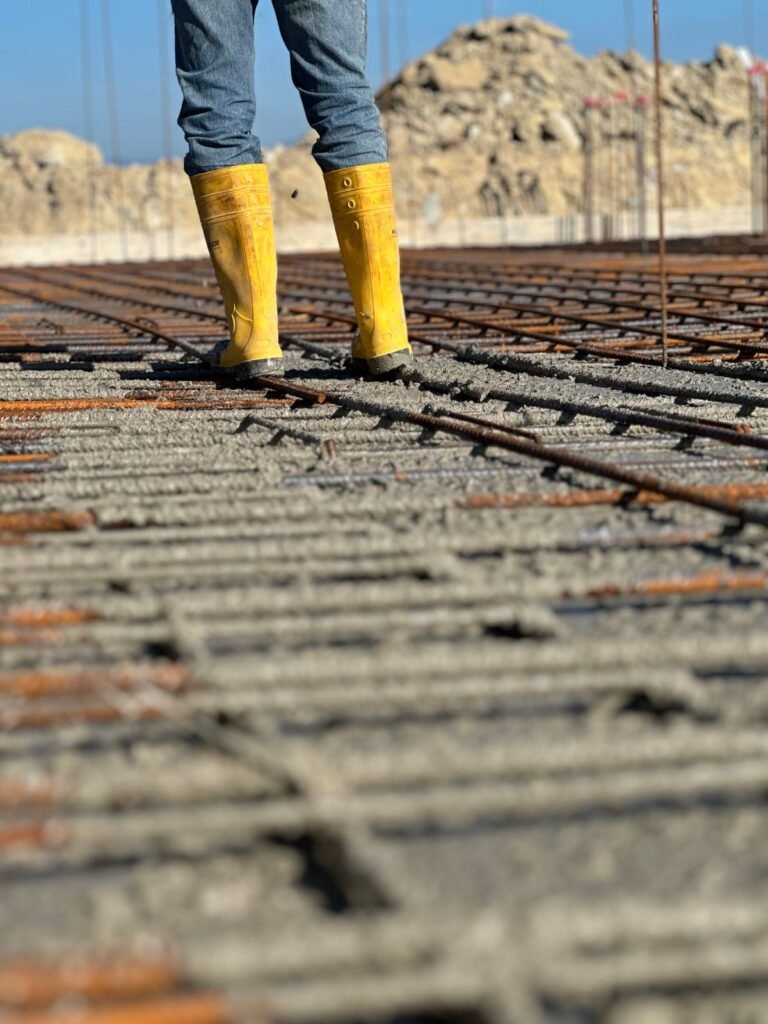
A slab foundation is a thick concrete pad poured directly on prepared ground. Steel reinforcement runs through the concrete to help it hold together under load and movement. Plumbing lines are placed in the ground before the pour, so supply lines and drain lines end up running under or through the slab. Once the concrete sets, those lines are out of sight and largely out of reach, which is why slab leaks need a careful, planned approach.
Your most useful action is to learn where your main water shutoff valve is, and to make sure every adult in the household knows how to turn it off. Walk to the valve, turn it, and turn it back on so the motion feels familiar. If the valve is stiff, corroded, or hard to reach, ask a plumber to service it before an emergency forces you to wrestle with it under stress.
How the Slab Carries Your Home
A slab spreads the weight of the home across the ground beneath it. Walls sit on thickened edges and interior beams within the slab, and the floor surface ties the whole structure together. When the ground beneath the slab stays even and stable, the load stays even too. When part of the ground shifts, sinks, or washes away, that section of slab loses support and stress moves to the rest of the pad. Photograph any uneven area and share the photo when you book a check, so the professional can judge movement before visiting.
Why Water Lines Under a Slab Need Attention
Supply lines under a slab carry pressurised water to fixtures throughout the home, while drain lines carry wastewater away. A small break in a supply line can release water under the slab for a long time before any sign appears on the surface. That water can erode soil, soften support under the concrete, and push moisture up through flooring. A drain line break can allow wastewater to escape into the ground beneath the home, which brings odour, dampness, and hygiene concerns.
Build a habit of checking the easy clues on a routine basis. Listen for running water when taps are off, look for warm spots on floors or damp patches on carpet, and check your water bill for an unexplained rise. Also learn how to read your water meter: turn off taps, appliances, and irrigation, then watch the meter. If the dial keeps moving while nothing is using water, book professional slab leak detection rather than guessing about the cause. Detection usually costs $200 to $450, and early detection limits water spread and repair disruption.
What Protects a Slab in Little Elm Conditions
Little Elm homes face wide swings in soil moisture. Long dry spells dry the ground, and heavy rain soaks it again. Your goal is to keep moisture around the foundation as even as possible, and to move roof water and surface water away from the home. Start with gutters and downspouts: clear debris, check that downspouts are attached, and make sure discharge points send water away from the foundation rather than pooling beside the wall. Walk the perimeter after heavy rain and look for standing water or soggy soil.
What to Do When a Problem Is Found
Ask for the price range in writing, and compare it with verified ranges: spot repair $1,200 to $2,500, rerouting $1,500 to $3,500, and tunneling $3,000 to $5,000. If a quote falls far outside those ranges, ask why and get a second opinion before committing. Also ask who repairs flooring, who patches concrete, and who handles repainting. Learn more through slab leak repair options in Little Elm and about access methods through tunneling under a slab foundation, then choose the option that fixes the cause and leaves your home clean and usable.
Your Slab Protection Checklist
- Know the location of your main water shutoff and test it so it moves freely.
- Check the water meter with taps off when you suspect hidden water loss.
- Clear gutters and downspouts, and confirm water discharges away from the home.
- Walk the perimeter after heavy rain and note standing water or soggy soil.
- Keep soil and mulch below the siding line and sloping away from walls.
- Water beds evenly during dry weather instead of soaking one area heavily.
- Photograph cracks, sticking doors, and uneven floors, and keep dated notes.
- Book a professional check promptly when clues persist instead of waiting.
Frequently Asked Questions
How do I know if my Little Elm home has a slab foundation?
Look for a concrete floor at ground level with no basement and no crawl space access, and check whether the home sits directly on a concrete pad. If you are unsure, ask a local plumber or foundation professional to confirm the foundation type during a routine visit, and note the answer with your home records.
What should I do if I suspect a leak under my slab?
Turn off water using fixtures if the leak seems local, or use the main shutoff if water is pooling or running strongly. Note what you heard, saw, or smelled, then book professional detection. Detection usually costs $200 to $450, and that visit pinpoints the leak before any repair work starts.
Can I protect my slab without major work?
Yes, in many cases routine habits make the biggest difference. Keep drainage clear, keep moisture even around the foundation, watch for early movement clues, and act promptly on meter or bill changes. Major work becomes necessary only when detection confirms a leak or a structural problem.
Does a slab leak always mean breaking through the floor?
No, breaking through the floor is only one option among several. Rerouting moves the line out from under the slab, and tunneling reaches the line from beneath without breaking the floor above it. Ask your repair team to explain each option, its price range, and its restoration work before you choose.
Get Help With Your Slab in Little Elm
If you suspect a leak, notice movement, or simply want a professional check, call +1 (972) 472-8573 or contact ElmLeak to arrange a visit. Describe what you have noticed, share your photos and notes, and ask for a clear detection and repair plan for your home.