
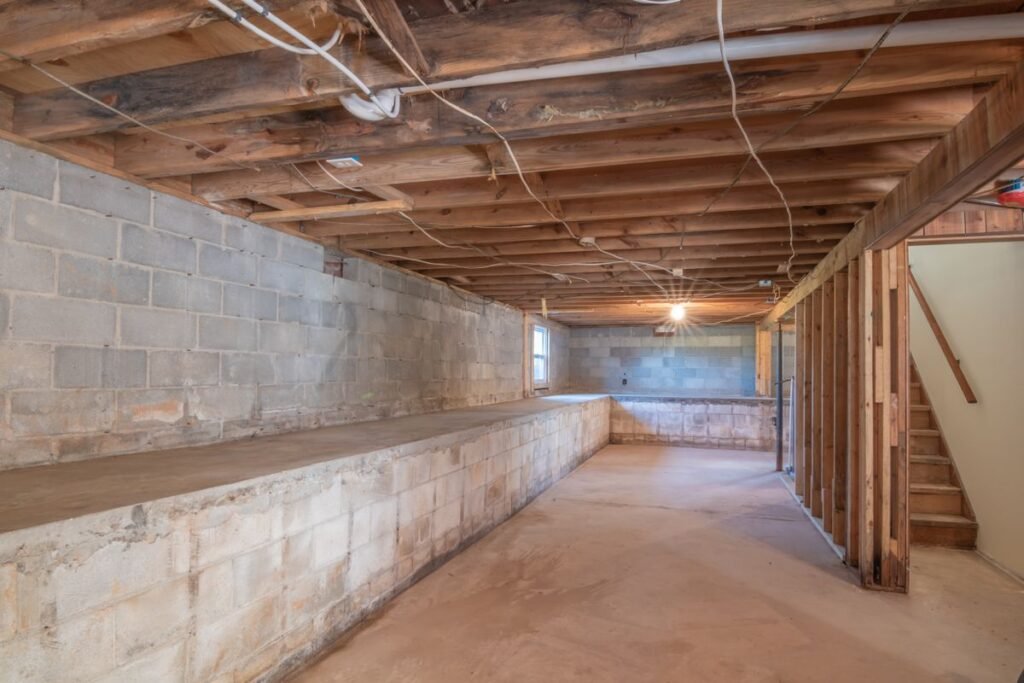
A crawl space is easy to forget because it stays out of sight, yet much of what happens down there shows up in the rooms above. Damp air, mold spores, pests, and cold floors often start under the house and rise through gaps in the floor. Learning the common crawl space problems early helps you act before a small damp patch turns into rotted joists or a musty home.
Think of the crawl space as part of your home, not separate from it. Air moves upward through the house in a pattern called the stack effect, so air from the crawl space ends up in your living rooms. When the space below stays dry, the air above stays healthier.
Moisture and Standing Water
Moisture and standing water are the most common finding in a crawl space, and they cause most of the other problems on this list. Water gets in from rain that pools against the foundation, from gutters that dump roof water beside the house, from groundwater that rises after heavy rain, and from a leaking pipe that drips quietly for weeks.
Start by finding where the water comes from, because drying a space without fixing the source only buys a short break. Look for puddles near the foundation, overflowing gutters, and downspouts that end beside the wall. If water appears even when it has not rained, a pipe leak is likely, and a slab leak detection check can confirm whether a hidden pipe is the source. Fix the source first, then dry the space, and only then consider a crawl space repair plan.
Mold When Humidity Stays High
Mold grows when humidity stays above 60 percent for long stretches, and a damp crawl space often sits above that line for months. Mold needs moisture, a food source such as wood framing, and warmth, and most crawl spaces already supply the wood and the warmth. Once growth starts on joists or the subfloor, spores and damp air rise into the rooms above, which is why a musty smell on the first floor often points downward.
The fix is moisture control, not scrubbing alone. Cleaning growth without drying the space means the mold returns as soon as the wood stays damp again. Aim to hold crawl space humidity between 30 and 50 percent, using a vapor barrier over the soil, sealed vents where the design allows it, working drainage, and a dehumidifier sized for the space. If you see widespread growth on framing, ask a trained crew to handle the cleanup. Our guide to crawl space mold explains the warning signs and the cleanup order.
Pests and Rodents
Pests and rodents enter a crawl space through gaps that look tiny from outside. Vents with torn screens, gaps around pipes and wires, cracks in the foundation, and openings where the framing meets the wall all serve as doors. Once inside, rodents nest in insulation, chew wiring and ductwork, and leave droppings that add to the musty smell.
Your action is to seal entry points and remove what attracts pests. Repair vent screens, seal gaps around pipes, and keep stored items out of the crawl space so animals find no nesting material. Remove wet insulation, because damp insulation is both a nest and a food source for mold. After sealing, check the space again in a few weeks for fresh droppings or new gnaw marks.
Sagging Floors and Wood Rot
Sagging or soft floors above a crawl space often mean wood rot in the joists below. Joists stay strong when they stay dry, but months of damp air soften the wood and invite decay fungi that weaken the fibers. You may first notice a floor that dips underfoot, a soft spot near a bathroom or kitchen, doors that stick, or a slight slope across a room.
Do not cover a sagging floor with new flooring and hope the problem stops. The decision to make is an inspection of the joists, girders, and subfloor from below, with a moisture reading on the wood. Rotted sections usually need replacement, and the supports beneath them may need reinforcement. A crawl space restoration plan pairs structural repair with drainage and a vapor barrier so the fix lasts.
Poor Ventilation and Indoor Humidity
Poor ventilation raises indoor humidity in ways that surprise many homeowners. Open vents can let warm humid air into a cool crawl space, where it condenses on ducts and wood and leaves them damp for hours. Sealed vents without a dehumidifier can trap moisture just as badly. Either way, the damp air rises into the house through the stack effect, raising humidity upstairs and fogging windows.
The right move is to measure before you change anything. Place a humidity gauge in the crawl space and another in a first floor room, then compare the readings over a week. If the crawl space reads above 60 percent, act on it. Crawl space ventilation choices depend on your climate and your home design, so ask a professional which approach fits your house. The goal is steady air between 30 and 50 percent humidity.
Structural Decay, Shifting Piers, and Radon
Structural decay builds over years, and shifting piers are one of its quieter causes. Piers support the beams that carry your floors, and when the soil under a pier stays wet or dries unevenly, the pier can settle or tilt. The result shows up as sloping floors, gaps between the floor and the baseboard, and cracks in interior walls.
Radon gas is a different kind of problem because it has no visible symptom at all. Radon is a gas that rises from soil into a home through cracks and gaps, and it can only be found with a test. Cold floors in winter usually trace back to missing or fallen insulation and air leaks in the crawl space. Your action for all three is the same: test for radon, inspect the piers and beams, and check the insulation.
What to Do First: A Simple Check Plan
You do not need to fix everything in one weekend. Work through the space in order, and let what you find set the priority.
- Look and smell. Enter the crawl space with a flashlight and check for standing water, damp soil, mold patches, droppings, and damaged insulation.
- Measure humidity. Take a reading at the soil level and near the joists. A reading above 60 percent means moisture control comes first.
- Trace the water. Check gutters, downspouts, grading, and pipes. Fix roof water and grading before spending on interior work.
- Check the structure. Look at joists, girders, and piers for rot, sagging, and shifting. Mark any crack you find with a date.
- Make a plan in order. Stop the water, dry the space, repair damaged wood, then add lasting protection such as a vapor barrier and drainage.
A crawl space that stays dry is a crawl space that stays quiet. Most problems on this list share one root cause, and that root cause is water. Find it, stop it, and dry the space.
Frequently Asked Questions
What is the most common crawl space problem?
Moisture is the most common problem, and it causes most of the others. Standing water, damp soil, and humid air feed mold, attract pests, rot wood, and raise indoor humidity. Finding and stopping the water source is the first step in almost every crawl space fix.
What humidity level should a crawl space stay at?
Aim to hold crawl space humidity between 30 and 50 percent. Mold grows readily when humidity stays above 60 percent, so a reading above that line is a clear sign to act. A vapor barrier, drainage, and a dehumidifier sized for the space help hold the target range.
Can crawl space air really affect the rooms above?
Yes, through the stack effect. Air from the crawl space rises into the living space through gaps in the floor and around pipes. That is why damp air below the house often shows up as odors and humidity upstairs.
When should I call a professional about my crawl space?
Call a professional when you see standing water, widespread mold, sagging floors, rotted joists, or shifting piers. These problems need an inspection, a moisture reading, and a written plan before repair work starts.
If your crawl space smells musty or feels damp, call ElmLeak at +1 (972) 472-8573 and ask for a crawl space inspection.
Pingback: Crumbling Crawl Space Joists: Causes, Warning Signs and Repairs