
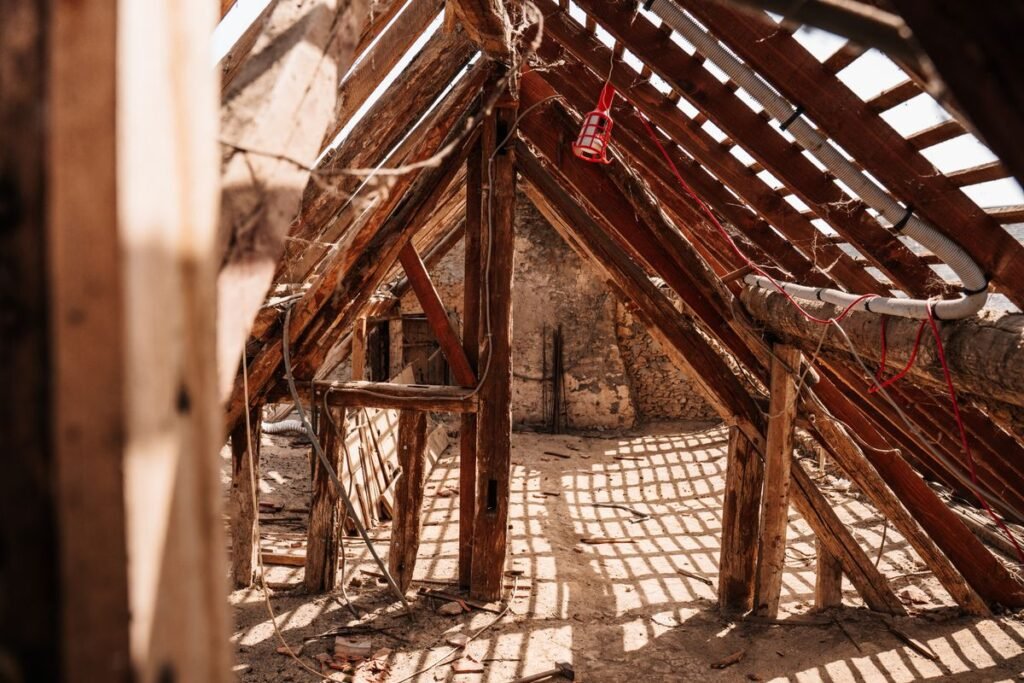
Crumbling crawl space joists mean the wooden floor framing under your home is losing strength. This is a structural problem, not a cosmetic one, and it gets worse the longer the cause is left in place. Joists carry the floor you walk on, so when their wood turns soft or crumbles, the floor above starts to sag and bounce. This guide explains what joists are, what makes them crumble, the warning signs, and how the common repairs work.
Joists Are Not Beams: Know Which Member Is Failing
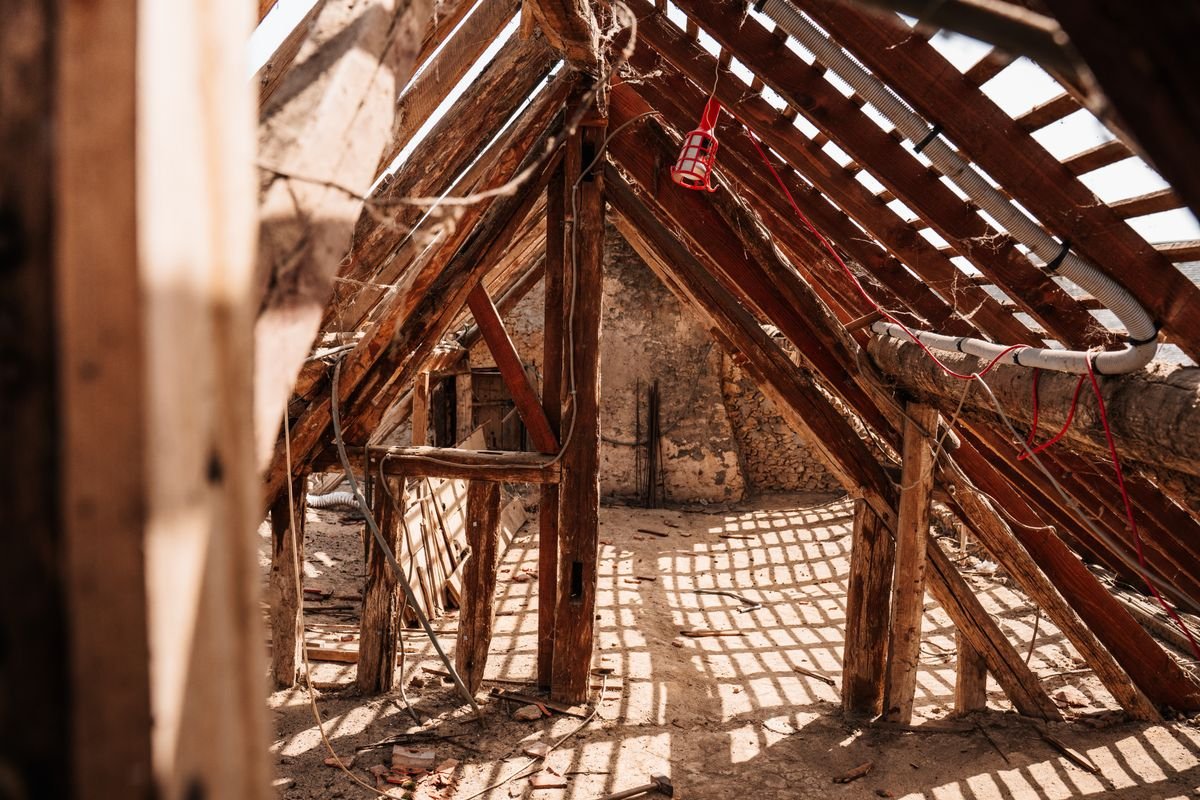
Joists and beams do different jobs and are repaired differently, so it helps to know which piece of wood you are looking at. Floor joists are the parallel framing members that run across the crawl space and carry the subfloor directly, spaced about 16 inches apart, each spanning from a wall or a beam to the next support. Picture them as the ribs of the floor system, each carrying a small share of the load.
Beams, also called girders, are the larger support members that run at right angles to the joists. A beam carries the combined load of many joists and transfers it down to piers or posts. A beam is thicker, fewer in number, and sits lower in the crawl space. When a joist crumbles, the floor sags between supports; when a beam fails, a whole section drops at once. A joist problem is fixed by reinforcing or replacing individual joists, while a beam problem often needs the beam replaced or re-supported. A crawl space foundation guide shows how joists, beams, piers, and walls fit together, and a pier and beam foundation repair guide explains the beam and pier side of the same system.
What Makes Crawl Space Joists Crumble
Joists almost never crumble on their own: something in the crawl space keeps the wood damp, feeds on it, or overloads it. The most common cause is chronic moisture. When wood stays damp, fungi consume the cellulose and lignin fibers that give it strength. This is wood rot, and it turns solid lumber soft, spongy, and crumbly. Brown rot leaves the wood dark and cracked into cubes, and white rot leaves it pale and stringy. Both destroy strength permanently, and rot does not reverse when the wood dries.
Groundwater can rise into a low crawl space, plumbing leaks can drip onto the framing for months before anyone notices, and humid air can condense on the cool wood in summer. Poor drainage makes it worse. Wood boring insects are the second major cause. Termites eat wood from the inside out and can hollow a joist while the surface looks intact. Carpenter ants tunnel through damp wood to nest, weakening the member. Overloading is a third cause: a heavy remodel, a new tile floor, or a large appliance can load joists beyond what they were sized for, and deep notches for plumbing and wiring weaken them further.
Warning Signs You Can Check From Inside the Home
You can often spot joist trouble without entering the crawl space. Walk the floors slowly and check for these signs.
- Sagging or sloping floors. A floor that dips in the middle of a room is the most common sign of weakened joists.
- Bouncy or spongy spots. A floor that bounces when you walk points to joists that have lost stiffness.
- Doors and windows that stick. When the floor system shifts, door frames go out of square and doors jam, and drywall can crack near door frames.
- Gaps at the baseboards. A gap between the floor and the baseboard shows the floor has dropped.
- Musty smells and visible mold. A damp smell rising from below points to the moisture rotting the joists.
- Cracks in interior walls. New diagonal cracks near doors and windows can follow floor movement.
One sign alone may have a simple cause, but two or three together are a strong reason to look underneath. A guide to common crawl space problems lists the other conditions that often appear alongside joist damage.
How to Inspect the Joists Safely
If you enter a crawl space, wear a respirator mask, gloves, knee pads, and a Tyvek style suit, and bring a bright flashlight and a camera. Never enter one with standing water, exposed wiring, or signs of animal activity without a professional. Work with a partner above who knows you are underneath. Look along each joist for sagging, cracking, or splitting, then press the wood with a screwdriver at several points, especially at the ends where the joist rests on the sill plate or pockets into the foundation wall, because those ends stay dampest and rot first. Sound wood resists the point, rotted wood lets it sink in, and badly rotted wood crumbles under light pressure. Look for fungal growth, staining, insect holes, mud tubes, and sawdust. Note which joists are affected, and photograph everything with the date.
How Crumbling Joists Are Repaired
The repair depends on how far the damage has gone, and every method starts with fixing the moisture that caused it. Repairing wood in a crawl space that is still wet is wasted work.
Sistering. When the damage is localized and the joist is still mostly sound, a new joist is attached alongside it. The new member, called a sister joist, is fastened alongside the old one and carries the load it can no longer carry. Sistering is the most common repair for a few joists with minor rot or a single crack.
Partial replacement. When one section is badly rotted but the rest is sound, the damaged section can be cut out and replaced with new treated lumber. This fits damage at the joist ends, which is common where the ends sit against damp masonry.
Full replacement. When a joist is deeply rotted, hollowed by termites, or broken, it has to come out entirely and be replaced. Full replacement is also needed when many joists across a large area have failed. A temporary support holds the floor while the old joist is replaced.
After the wood is fixed, stop the water that rotted it. Clean the gutters, extend downspouts away from the foundation, and make sure the soil slopes away from the walls. A heavy polyethylene vapor barrier across the soil blocks moisture rising from the ground. Fix any plumbing leak first, because a single dripping joint can undo the whole repair.
When to Call ElmLeak
Call for a professional assessment if floors are sagging or bouncing, if several joists are soft or crumbling, or if you find termite damage. Also call if a joist has broken, if the floor has dropped noticeably, or if the moisture source cannot be found. If you are in Little Elm, call ElmLeak at +1 (972) 472-8573.
Frequently Asked Questions
What is the difference between a joist and a beam?
Joists are the parallel framing members that run across the crawl space and carry the subfloor directly. Beams, also called girders, are the larger support members that run at right angles to the joists and carry the combined load of many joists down to piers or posts. When a joist crumbles, the floor sags between supports; when a beam fails, a whole section drops at once.
What causes crawl space joists to crumble?
Chronic moisture is the most common cause: wood that stays damp lets rot fungi consume the fibers that give it strength. Plumbing leaks, groundwater, condensation, and poor drainage all keep joists damp. Termites and carpenter ants also weaken joists by eating or tunneling through them. Overloading and deep notches for plumbing make the problem worse.
Can a crumbling joist be repaired, or does it have to be replaced?
It depends on how far the damage has gone. A joist with localized damage can be repaired by sistering, which attaches a new joist alongside it to carry the load. A joist with a badly rotted section can be partly replaced. A joist that is deeply rotted, hollowed by termites, or broken has to be replaced entirely. Every repair also needs the moisture source fixed first.
How do I know if my crawl space joists are damaged?
Check from inside the home first: sagging floors, bouncy spots, sticking doors, gaps at the baseboards, musty smells, and new drywall cracks. In the crawl space, press the joists with a screwdriver, especially at the ends: sound wood resists the point, while rotted wood lets it sink in.