
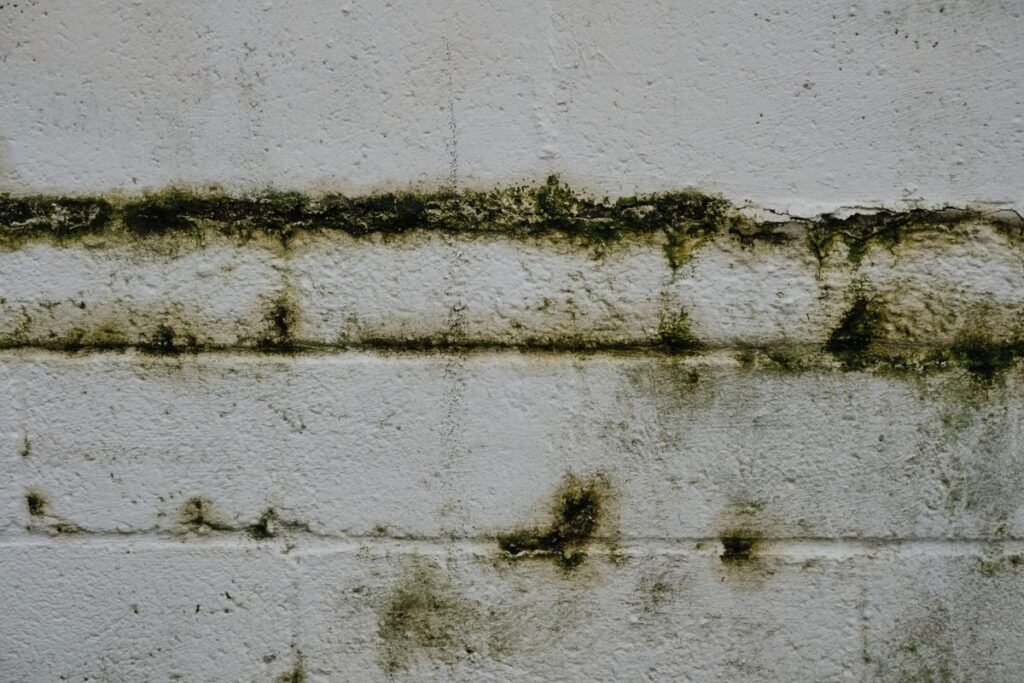
Basement humidity comes from one of three sources: liquid water entering from outside, condensation forming on cool surfaces, or moisture made inside the home. The fix depends on which source you have, because a dehumidifier will not stop water coming through a wall, and new gutters will not dry air condensing on cold concrete. This guide explains the three sources, a simple test that tells them apart, and the fix for each one.
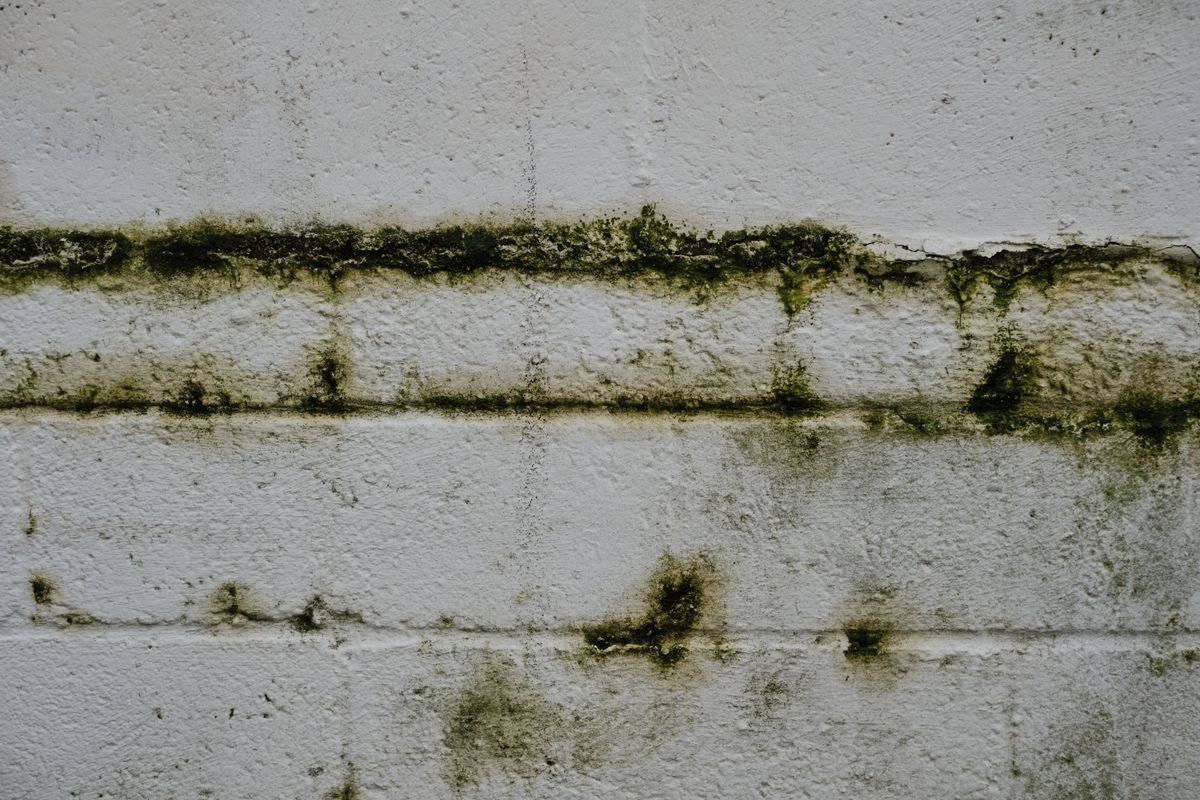
The Three Sources of Basement Humidity
Every damp basement gets its moisture from the same three places: liquid water from rain or groundwater, interior moisture sources inside the home, and exterior humid air that enters and condenses on cooler surfaces. Moisture moves in by liquid flow through cracks, by capillary suction through porous concrete, by vapor diffusion, and by air movement. Knowing the source is the first decision, because each source has a different fix.
Most basements have one dominant source. Damp only after rain is usually water entry. Damp in humid weather whether it rains or not is usually condensation. Damp near the laundry area or a bathroom is usually an interior source. Watch when the damp appears to find the answer before you spend anything.
Source 1: Rain and Groundwater Pushing In
Rain and groundwater are the most common source of basement moisture. A single inch of rain drops a lot of water on a roof, and if the gutters are clogged or the downspouts are short, that water soaks the soil against the foundation. The wet soil presses against the wall, and water finds the weakest points: a foundation crack, the wall floor joint, a gap around a pipe, or the pores of the concrete. Block walls are especially vulnerable, because water can travel through the hollow cores.
Water entry usually shows as wet spots or puddles within a day or two of rain, damp patches at the base of the wall, water at the wall floor joint, and white chalky stains called efflorescence. A weeping crack, a musty smell after storms, and deteriorating carpet or wood near the walls all point the same way. The fix starts outside: clean the gutters, extend downspouts several feet beyond the wall, and check the grading so the ground slopes away from the house. Inside, seal cracks and add a sump pump where water collects. A guide to waterproofing basement walls from inside explains the interior methods, and a guide to home waterproofing methods covers the full range.
Source 2: Condensation on Cold Surfaces
Not all basement moisture is liquid water pushing in from outside. A large share of it, especially in summer, is water vapor condensing on cool surfaces inside the basement. Warm humid air enters through windows, doors, and small gaps, and when it meets a cold wall, pipe, or floor, the air cools below its dew point and drops its water as condensation.
Condensation shows as beads of water on walls, pipes, and windows, a general clammy feeling, and damp in warm humid weather whether or not it has rained. It favors the coldest surfaces first: uninsulated foundation walls in early summer and cold water pipes all year round. A basement that is damp in July but dry in January is usually a condensation problem. The fix is humidity control, not waterproofing: a dehumidifier set to 50 percent, or 45 percent in humid weather, will hold the air dry enough to stop condensation. Insulating cold surfaces helps too, and sealing air leaks keeps humid outdoor air out.
Source 3: Moisture Made Inside the Home
The third source is the moisture your household makes. A clothes dryer vented into the basement can push a large amount of water vapor into an enclosed space with every load. A basement shower or bathroom without an exhaust fan does the same. A humidifier left running, wet laundry hung to dry indoors, and an uncovered sump pit all add moisture to the air. Even new concrete counts: a freshly poured slab or wall keeps releasing water for months.
Damp near the laundry area, a spike in humidity after laundry or showering, or a damp patch around an uncovered sump pit all suggest an interior source. The fix is to remove or vent the source: vent the dryer outside, fit an exhaust fan in the bathroom, stop drying laundry indoors, and cover the sump pit. These are usually the cheapest fixes, and they should come before any larger work.
The Foil Test: Find Your Source in Two Days
When the source is not obvious, a simple test will tell you whether the damp is seepage through the wall or condensation from the air. Tape a square of foil or plastic flat against a damp wall, seal all four edges, and leave it for 48 hours.
- Moisture on the room facing side means condensation, and the fix is humidity control.
- Moisture behind the foil means water is coming through the wall, and the fix is drainage, grading, and sealing.
- No moisture on either side means the wall is dry, so check interior sources and other walls.
Run the test on more than one wall, and on the floor as well. Pair the foil test with a hygrometer reading. A guide to waterproof basement flooring explains which floor finishes tolerate a damp basement.
Fixing Basement Humidity by Source
If the source is rain or groundwater, clean gutters, extend downspouts, fix the grading, seal cracks, and add interior drainage or a sump pump. If the source is condensation, run a dehumidifier set to 50 percent, or 45 percent in humid weather, insulate cold walls and pipes, and seal air leaks. If the source is inside the home, vent the dryer outside, fit exhaust fans, stop drying laundry indoors, and cover the sump pit. If the source is unclear, run the foil test on several walls.
A dehumidifier is a good tool, but not a permanent solution for water entry. It manages the symptom, humid air, while water keeps coming through the wall. Use it while the real fix is planned, but do not let it hide a leak. Act on a persistent musty smell, condensation on windows or pipes, damp spots, or visible mold. Above 60 percent humidity held for weeks, mold can grow and wood absorbs moisture, so the earlier the source is found, the smaller the fix.
When to Call ElmLeak
Call if water appears on walls or floor after rain, if the foil test shows moisture coming through the wall, if the hygrometer reads above 60 percent for days, or if mold keeps returning after cleaning. Bring your foil test results and log. If you are in Little Elm, call ElmLeak at +1 (972) 472-8573.
Frequently Asked Questions
What is the most common cause of humidity in a basement?
Rain and groundwater pushing against the foundation is the most common cause. Clogged gutters and ground sloping toward the house keep the soil wet against the wall, and water enters through cracks and the wall floor joint. In summer, condensation is often just as common.
How can I tell if basement damp is seepage or condensation?
Tape a square of foil flat against a damp wall, seal all four edges, and leave it for 48 hours. Moisture on the room facing side means condensation, so the fix is humidity control. Moisture behind the foil means water is coming through the wall, so the fix is drainage, grading, and sealing. Damp that follows rain points to seepage, while damp in humid weather with no rain points to condensation.
What humidity level should a basement be?
Keep a basement below 60 percent relative humidity, and ideally between 30 and 50 percent. Above 60 percent for extended periods, mold can grow and wood and stored contents absorb moisture. A dehumidifier set to 50 percent, or 45 percent in humid weather, will hold most basements in the safe range. Check the reading with a separate hygrometer in the middle of the room, away from the dehumidifier and cold walls.
Will a dehumidifier fix a damp basement?
A dehumidifier will fix a basement whose problem is humid air, but not one with water entering through a wall or floor. It manages the symptom, not the source. If the foil test shows water coming through the wall, or wet patches appear after rain, the fix is drainage, grading, crack sealing, and waterproofing.