
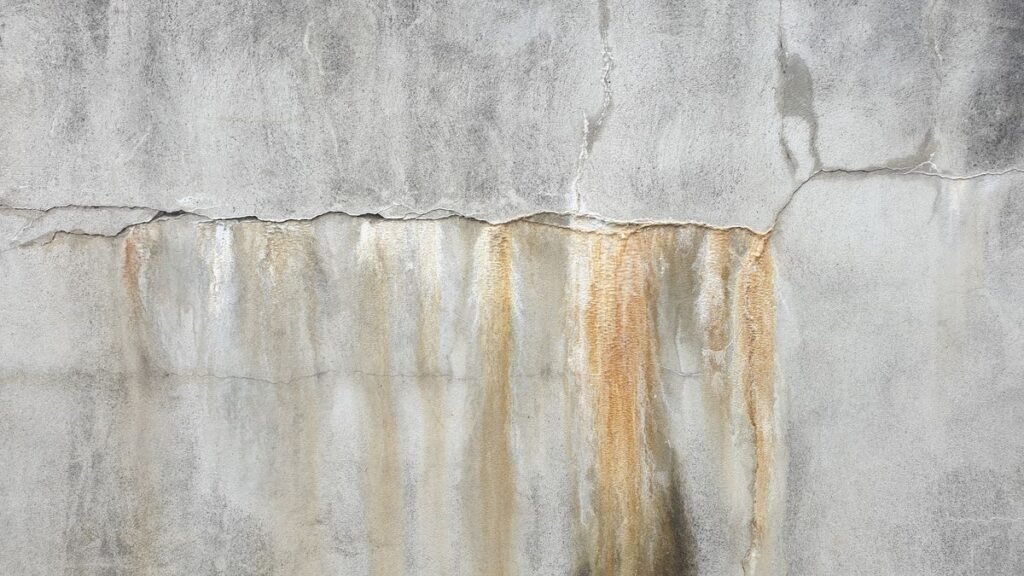
An exterior foundation crack is a line or split you can see on the outside face of your foundation wall or along the exposed edge of your slab. The direct answer is that most exterior cracks are minor. Concrete shrinks as it cures, soil shifts with the seasons, and a thin crack is often the visible result of that normal movement. The direction of the crack, its width, and whether it is growing decide whether you can watch it, seal it, or need a professional assessment.
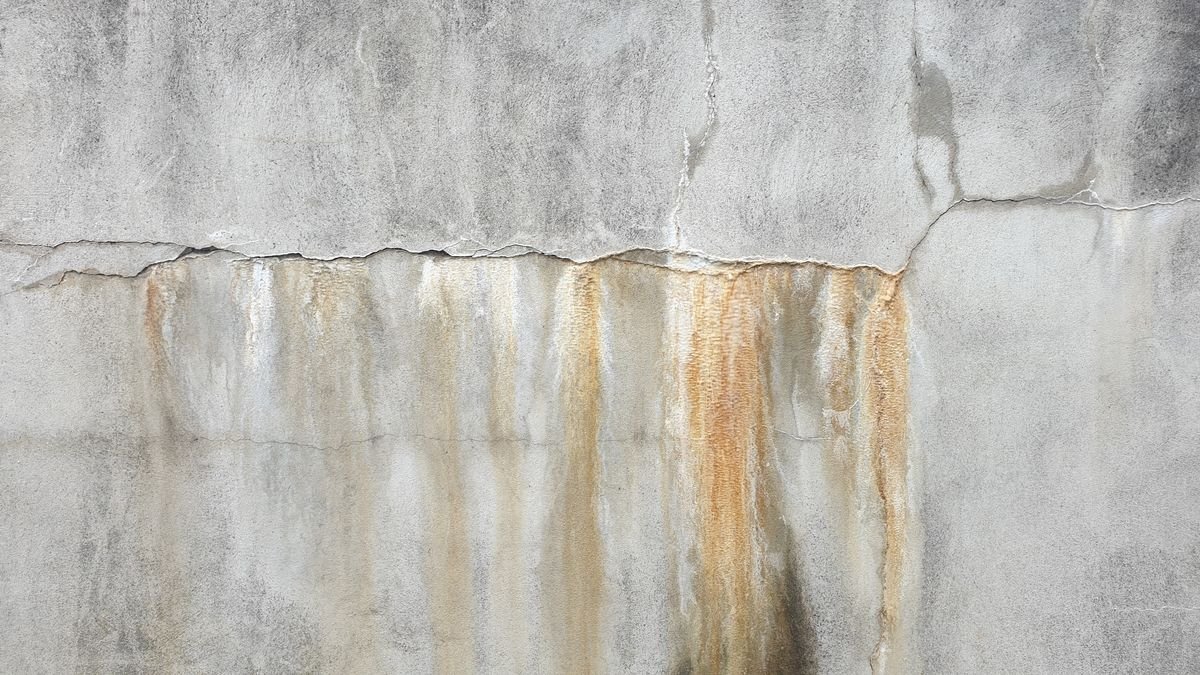
Where to Look for Exterior Foundation Cracks
Start with a slow walk around the outside of your home, and look at the foundation where it meets the ground. On a slab home, check the exposed concrete edge between the soil and the siding or brick. On a home with a stem wall or basement walls, check the full height of the wall from the soil line up to the framing. Check corners, the areas below windows, and the joints where the wall meets a porch, a patio, or a driveway.
Also check the brick or stone veneer above the foundation, and the mortar joints between blocks. A crack in the concrete below can continue upward as a crack through mortar or brick, and a stair step pattern through mortar joints is one of the clearest signs that one part of the foundation has moved relative to another. Check inside as well: a crack outside often has a matching sign indoors, such as a crack in drywall near a door frame, a door that sticks, or a gap between the floor and the baseboard. Photograph every crack with a coin or ruler in the frame for scale.
Reading the Crack: What Each Type Usually Means
The shape and direction of a crack say a lot about what caused it. Use the table below as a starting point, then confirm what you see with the monitoring steps further down this guide.
| Crack type | What it looks like | Common cause | First step |
|---|---|---|---|
| Hairline | Very thin, less than 1/16 inch wide, often vertical | Concrete shrinking as it cures | Note it and check it again in a few months |
| Vertical | Runs up and down, 1/16 to 1/4 inch wide | Minor settlement or soil movement | Measure the width and watch for growth |
| Diagonal | Runs at an angle, often near a corner or window | Uneven settlement under one part of the home | Measure it and check for matching signs indoors |
| Horizontal | Runs side to side along the wall | Lateral pressure from saturated soil pushing inward | Arrange a professional assessment |
| Stair step | Follows mortar joints in steps through brick or block | Differential settlement of the foundation | Arrange a professional assessment |
A foundation crack types guide can help you compare what you see against the common patterns, and a guide to whether foundation cracks are normal explains why some cracks appear in almost every home. Width and movement matter more than length.
What Causes Exterior Foundation Cracks
Most exterior cracks trace back to the soil around the foundation, not to the concrete itself. In Little Elm, the ground is expansive clay, and that clay swells when it soaks up water and shrinks when it dries out. That swell and shrink cycle moves the soil against the foundation, and concrete is strong in compression but weak in tension, so it cracks rather than bending. Drought followed by heavy rain is the most stressful pattern.
Water is the second major cause. When gutters are clogged, downspouts dump water beside the wall, or the ground slopes toward the house instead of away from it, the soil on one side of the foundation stays wetter than the soil on the other side. That uneven moisture pushes harder on one side of the wall, and the difference in pressure can crack it. This is also how horizontal cracks form: saturated soil pushes sideways against the wall until the concrete gives way along a horizontal line.
How to Measure and Monitor a Crack
Monitoring is simple, and it turns a worry into a fact. Work through these steps and keep a written record.
- Measure the width. Use a ruler or a crack gauge at the widest point. A dime is about 1/16 inch thick and a pencil is about 1/4 inch wide, so both work as rough references.
- Mark the ends. Draw a short pencil line across each end of the crack and write the date beside it. If the crack grows past the marks, you have proof of movement.
- Photograph it monthly. Take the photo from the same spot and distance each time, with the ruler in the frame.
- Check for offset. Run your finger across the crack. If one side sits higher or further out than the other, the wall has shifted, not just cracked.
- Watch for water. Note whether the crack lets water in during rain. A crack that weeps water is letting moisture into the wall.
A crack that stays the same through a full wet and dry season is usually stable. A crack that widens, lengthens, develops offset, or starts letting water in is active, and an active crack needs a professional to find the cause before it is sealed.
Sealing a Minor Crack and Fixing the Water
A stable, narrow, vertical or hairline crack that lets in no water can often be sealed by a homeowner. Clean the crack with a stiff wire brush to remove loose concrete, dirt, and any white mineral deposits. For a surface crack on the outside of the wall, a flexible polyurethane sealant made for concrete works well, because it stays flexible as the wall moves slightly with the seasons. Do not seal a crack that is horizontal, wider than 1/4 inch, growing, offset, or letting water through the wall, and do not seal a crack in a wall that is bowing inward. A foundation crack repair options guide explains the professional methods for cracks beyond a simple seal.
Whatever you decide about the crack itself, fix the drainage around it. Clean the gutters and check that downspouts carry water several feet away from the foundation, not beside it. Check the grading: the soil should slope away from the walls so rain runs off instead of pooling against the concrete.
When to Call ElmLeak
Call for a professional assessment if the crack is horizontal, if it is wider than 1/4 inch, if it is growing, if one side has shifted, if the wall is bowing, or if water is coming through the wall. Also call if a crack outside comes with a symptom inside, such as a sticking door or a new drywall crack. If you are in Little Elm, call ElmLeak at +1 (972) 472-8573.
Frequently Asked Questions
Is an exterior foundation crack serious?
Most exterior foundation cracks are minor. Hairline and narrow vertical cracks are usually caused by concrete shrinkage or small soil movement, and they often stay stable for years. A crack becomes serious when it is horizontal, wider than 1/4 inch, growing, offset, or letting water through the wall.
What causes a crack on the outside of a foundation wall?
The most common cause is movement in the soil around the foundation. Expansive clay swells when wet and shrinks when dry, and that cycle stresses the concrete until it cracks. Poor drainage, clogged gutters, and downspouts that dump water beside the wall make it worse. Tree roots, uneven settlement, and a plumbing leak softening the soil can also cause exterior cracks.
How do I know if a foundation crack is getting worse?
Measure the width at the widest point, mark each end with a dated pencil line, and photograph it from the same spot each month with a ruler in the frame. If the crack grows past your marks, widens, develops offset, or starts letting water in, it is getting worse. A crack that stays the same through a full wet and dry season is usually stable.
Can I seal an exterior foundation crack myself?
Yes, if the crack is stable, narrow, vertical or hairline, and not letting water through the wall. Clean it with a wire brush and seal it with a flexible polyurethane sealant or hydraulic cement. Do not seal a horizontal crack, a crack wider than 1/4 inch, a growing crack, or a crack in a bowing wall. Those need a professional to find and fix the cause first.