
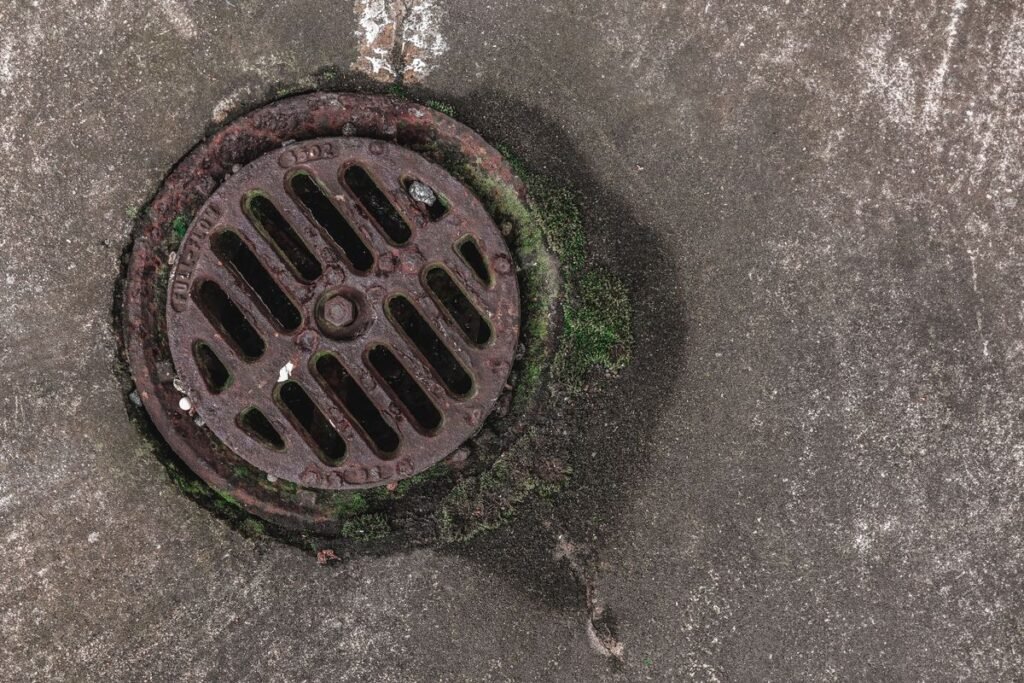
A sewer line clog is a blockage in the single main pipe that carries wastewater from every drain in your home out to the city sewer. The fastest way to spot one is that more than one fixture misbehaves at the same time. One slow sink is a local clog. A toilet that gurgles when the washing machine runs, a shower that fills when someone flushes, and several slow drains at once all point to the main line. Stop using water right away, do not flush again to test it, and call a plumber who can camera the clogged sewer line before clearing it. In Little Elm, call ElmLeak at +1 (972) 472-8573.

Main Sewer Line Clog vs an Ordinary Drain Clog
Every fixture in your home drains into branch lines that join one main sewer line, which then runs out to the street. A clog in a branch line affects only the fixture it serves. A clog in the main line affects everything downstream of the blockage, which is usually everything in the house. A branch clog can often wait for a scheduled visit. A main line clog cannot, because every gallon you send down a drain has nowhere to go except back up through the lowest opening it can find.
Run a simple two minute test before you call. Flush a toilet or run the washing machine, then watch a drain you did not touch, such as a tub or a floor drain. If that untouched drain gurgles, bubbles, or fills, the blockage sits in the shared main line. If nothing else reacts, the problem is probably local to one fixture. Write down what you saw, because the pattern tells the technician where to look first.
The Warning Signs of a Sewer Line Clog
A main line clog usually announces itself days or weeks before anything floods.
- Several drains slow down at once. When the toilet, the tub, and the laundry drain all slow together, that is not a coincidence. Every fixture feeds one main line.
- Gurgling or bubbling drains. Air trapped behind a blockage gets pushed back through the nearest drain, so a toilet that gurgles when the dishwasher runs is often the very first sign.
- Water backs up in unexpected places. You flush upstairs and water rises in a downstairs shower, or the washer sends water up through the floor drain.
- Sewage smells near drains. Waste sitting in the line produces a rotten egg or sewage smell, strongest at the lowest drains.
- Standing water in the sewer cleanout. The cleanout is the capped pipe that gives a plumber direct access to the main line. Standing water under the cap means the blockage sits downstream.
- Toilets that will not flush properly. Weak flushes or water rising close to the rim can mean the main line is partly blocked, especially when more than one toilet is affected.
- Damp or extra green patches in the yard. A leaking main line can soak the soil above it, leaving a soggy strip or faster growing grass.
One sign by itself might be nothing. Two or more together mean your house is telling you something.
What Causes a Sewer Line Clog
Every main line clog has two parts: something that should not be in the line, and a place where it gets caught. Tree roots are the most common cause in older Little Elm lines. Roots sense moisture at pipe joints, work their way in through tiny gaps, and grow into a dense mat that catches everything passing by. Clay pipe is especially vulnerable, and our expansive clay soil shifts with the seasons, opening joints a little more each year.
Grease is the second major cause. It flows down the kitchen drain as a liquid, then cools and coats the pipe wall, narrowing the line until flow chokes off. Wipes, including wipes labelled flushable, do not break apart the way toilet paper does, so they snag on roots and grease and hold. Mineral scale builds up and shrinks the opening. A pipe belly, a low spot where the line has sagged, lets waste pool and settle. A cracked or collapsed section blocks flow and needs repair, not just cleaning. Knowing the cause matters because it decides the fix, and only a camera shows which cause you actually have.

What to Do First When You Suspect a Main Line Clog
Act in this order. First, stop using water. Do not flush toilets, run the washing machine, take showers, or run water down sinks, because every gallon adds to the backup. Second, check the sewer cleanout outside your home if you can do it safely. Standing water there confirms the sewage line clogged between the cleanout and the street. Third, move valuables off the floor near floor drains and downstairs bathrooms. Fourth, call a plumber and describe the pattern you saw and whether the cleanout has standing water.
Do not pour chemical drain cleaner into a main line clog. It rarely reaches a blockage far downstream, it can damage older pipes, and it creates a hazard for the technician who eventually opens the line. Do not keep plunging a toilet that is backing up. And do not run a rented drain snake blindly into the main line. Without a camera you cannot tell a root mat from a collapsed pipe, and a snake can punch through a weakened pipe wall.
How a Professional Clears a Sewer Line Clog
A proper main line visit starts with a camera inspection, not a cable. A waterproof camera feeds down the line and shows the exact spot and the condition of the pipe. That footage shows the sewer line blockage and decides the tool. A motorized auger, often called a sewer snake, drives a rotating cable with a cutting head through the line and chews through root mats and buildup. Hydro jetting follows or replaces the auger when the pipe wall is coated with grease and scale. High pressure water scours the interior clean, the right finish for a line that keeps clogging again after snaking. If the camera shows a collapsed section, a severe belly, or a major offset, no cleaning will hold, and the conversation turns to repair.
Ask to see the camera footage before and after the cleaning. A line that clogged because of roots needs a different follow up plan than one that clogged because of grease. Our guide to sewer line cleaning explains what a thorough cleaning covers, and our hydro jetting guide explains when high pressure water is the right tool.
How to Keep a Sewer Line Clog From Coming Back
Prevention is mostly about what never goes down the drain. Never flush wipes, paper towels, cotton products, or dental floss, even when the packaging says flushable. Pour cooking grease into a container and throw it away. Run plenty of water after using the garbage disposal. If a large tree grows near your sewer lateral, have the line camera checked once a year so root growth is caught while it is still a cleaning job. If your home has older clay or cast iron pipe, schedule a camera inspection before a remodel or a sale.
If your drains are already acting up across the house, do not wait. Call ElmLeak at +1 (972) 472-8573. We will camera the line, show you what is blocking it, and clear it with the right tool.
Frequently Asked Questions
How can I tell a sewer line clog from a normal drain clog?
A normal drain clog affects one fixture. A sewer line clog, also called a sewer drain clog, affects several fixtures at once, or one fixture reacts when you use another.
Can I fix a sewer line clog myself?
A plunger can help a single slow toilet, but a main line clog sits far downstream where a plunger cannot reach. A camera inspection is the safe first step.
What does it cost to clear a sewer line clog?
The price depends on the cause, the access, and the tool needed. Snaking costs far less than clearing a heavy root mat, and far less than repairing a collapsed section.
Why does my sewer line keep clogging?
Repeat clogs usually mean the cause was never removed. Roots grow back through the same joint, grease keeps building on the same pipe wall, or a belly keeps collecting waste. A camera inspection finds the cause.