
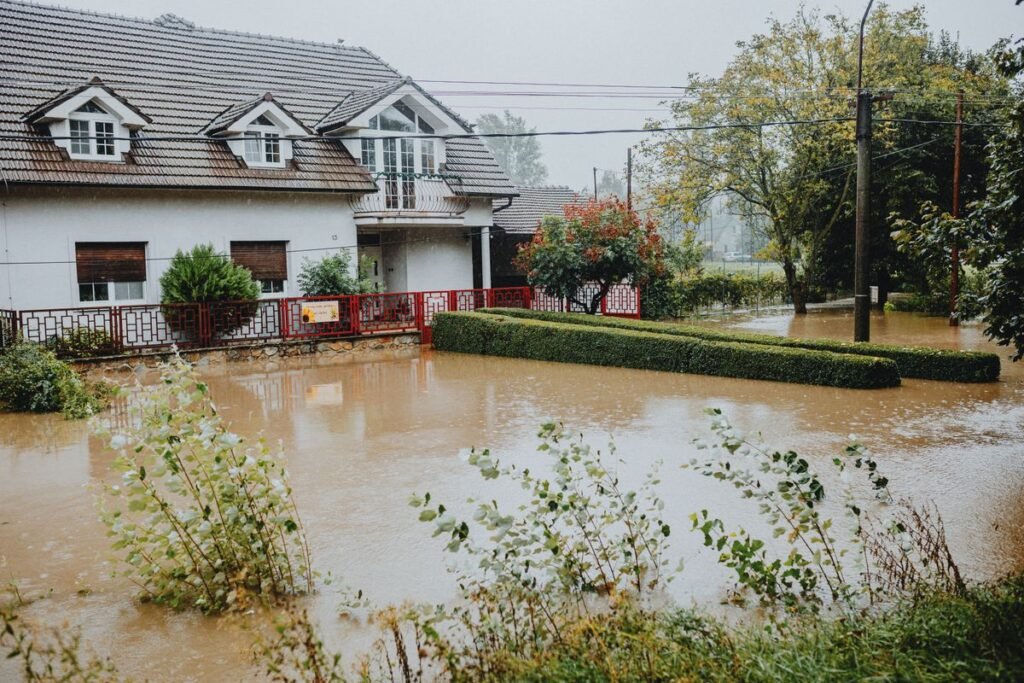
Wet crawl space repair starts with removing the standing water, then drying the space within 24 to 48 hours, then fixing the source so the water does not come back. Pumping alone is only half a job, because a crawl space that floods once will flood again unless the drainage, the vapor barrier, or the plumbing leak behind it is fixed. Follow the steps in this guide in order, and you will turn a wet crawl space into a dry one that stays dry through the next storm.

Stay safe before you go under the house
Never enter a flooded crawl space until you are sure the electricity to the area is off. Water and live wiring are a dangerous combination, and a submerged outlet, junction box, or furnace connection can energize the water. If the water is touching any wiring, the bottom of the furnace, or an electrical panel, stop and call a professional before anyone goes in. Stay out entirely if you suspect sewage is involved, because contaminated water carries serious health risks, and it needs professional handling and protective equipment.
Once the power is off and the water is confirmed clean, wear rubber boots, gloves, a respirator rated for mold, and eye protection before you enter. Bring a bright headlamp, and tell someone you are going under the house. If the space is less than two feet high, or the water is deeper than a few inches, leave the work to a crew with the right pumps and drying equipment. For a full walkthrough of the repair options, read our guide to crawl space repair.
Find the source: four causes cover most wet crawl spaces
Water in a crawl space almost always comes from one of four sources, and the repair is different for each, so identify the source before you spend anything. Check them in this order, because the first two are the most common and the cheapest to fix.
- Roof runoff dumping at the foundation. Downspouts that discharge less than six feet from the wall pour roof water straight into the soil beside the house. Walk the perimeter after rain and watch where each downspout ends.
- Poor grading. Soil that slopes toward the house funnels surface water to the foundation. The ground should fall at least six inches in the first ten feet away from the wall.
- Groundwater seepage. A high water table or saturated clay soil pushes water up through the soil floor and the footing, especially after days of steady rain. This usually needs interior drainage.
- A plumbing leak. A slow leak from a supply line or a drain under the floor can keep a crawl space wet for months without a single drop of rain. Look for a wet patch that stays wet in dry weather.
Mark what you find with dated photos, because the pattern matters. Water that appears only after rain points to drainage or grading, while water that never dries points to plumbing or groundwater. If the inspection turns up mold on the wood or insulation, read our page on crawl space mold before you disturb it.
Remove the water and dry the space fast
Speed matters, because wet materials should be dried within 24 to 48 hours to prevent mold growth, a window the EPA recommends in its mold and moisture guidance. For a small puddle, a wet dry vacuum will do the job, but a portable submersible utility pump is faster for anything deeper than an inch or two. Place the pump at the lowest point, run the discharge hose at least 20 feet away from the house, and keep the water from running straight back to the foundation.
Once the standing water is out, dry the space with fans and a dehumidifier until a moisture meter shows the wood below 20 percent moisture content and the relative humidity holds below 60 percent. Remove any wet insulation, fallen vapor barrier, and debris, because soaked material holds moisture against the wood and feeds mold even after the air feels dry. Do not lay a new vapor barrier over wet soil, because it traps moisture underneath instead of stopping it.
Fix the cause: match the repair to the severity
Choose the repair by severity, not by price, because a repair that is too light for the problem will fail at the next storm. Minor moisture, where the soil is damp but no water stands, usually needs only a new vapor barrier, better grading, and downspout extensions. Moderate water, where puddles return after rain, needs a vapor barrier plus a dehumidifier and an interior drainage channel that leads to a sump pump. Severe water, where the space floods or the wood is rotting, needs complete encapsulation with a sealed liner on the floor and walls, sealed vents, drainage, and a sump pump with battery backup, plus structural repairs to damaged joists or beams.
Our page on the crawl space sump pump explains how the pump, the basin, and the discharge line work together. A sump pump without a drainage channel will only catch the water that happens to reach the basin, and a drainage channel without a pump will fill and overflow, so the two belong together. Treat crawl space wet rotting the same way: cut out and replace rotted wood, fix the moisture that caused it, and only then seal the space.

Keep it dry: the prevention checklist
A dry crawl space stays dry because of maintenance, not luck. Work through this checklist once a year, ideally before the rainy season, and after any major storm.
- Extend every downspout at least six feet from the foundation and keep gutters clear.
- Check that soil still slopes away from the house, and add soil where it has settled.
- Test the sump pump by pouring water into the basin and confirming it runs and discharges outside.
- Inspect the vapor barrier for tears, gaps, and standing water on top of it.
- Confirm the dehumidifier drains freely and holds humidity below 60 percent.
- Look for new cracks in the foundation wall and seal them before they become entry points.
- Keep vents clear if the space is vented, or confirm the seals hold if it is encapsulated.
Write the date on the checklist each time you run it, because a dated record shows whether a problem is new or returning. If water keeps returning despite the checklist, the cause is groundwater or a hidden plumbing leak, and that is the point to get a professional inspection.
If your crawl space in Little Elm is wet, flooding, or smells musty, do not wait for the wood to rot or the mold to spread. Call ElmLeak at +1 (972) 472-8573 for an inspection, and we will find the water source, dry the space, and fix the cause so the water stays out.
Frequently asked questions
How do you fix a wet crawl space?
Remove the standing water, dry the space within 24 to 48 hours, find and fix the water source, then install the right combination of drainage, a sump pump, a vapor barrier, and a dehumidifier. Pumping alone is not a repair.
Is water in a crawl space normal after heavy rain?
Brief dampness after an exceptional storm can happen, but standing water that lingers more than a day or two is not normal and should be addressed.
How long does it take to dry out a wet crawl space?
A small puddle can dry in a day or two with fans and a dehumidifier, while a flooded space with soaked wood and insulation can take a week or more with professional equipment. The goal is to get wet materials dry within 24 to 48 hours to limit mold growth.
Can a wet crawl space cause mold in the house?
Yes. Moisture under the floor feeds mold on joists and insulation, and mold spores and musty air rise into the living space through gaps around pipes and ducts. Drying the crawl space and controlling humidity below 60 percent is the most effective way to stop it.