
Crawl Space Encapsulation Near Me in Little Elm: How to Choose a Local Provider Without Guessing
Searching for crawl space encapsulation near you is only useful after one basic check: does your home actually have a crawl space? Many homes in Little Elm are built on a concrete slab, and a slab home has no crawl space to seal. If your home is slab on grade, encapsulation does not apply to you, and your moisture or leak concern belongs in a different category. If your home does have a crawl space, encapsulation can turn a damp, open underfloor area into a sealed, drier space, but the quality depends far more on the provider and the system design than on any single product name. Use this guide to ask better questions, compare quotes fairly, and avoid paying for a partial job that looks sealed and still leaks moisture.
First confirm you have a crawl space, and what kind it is
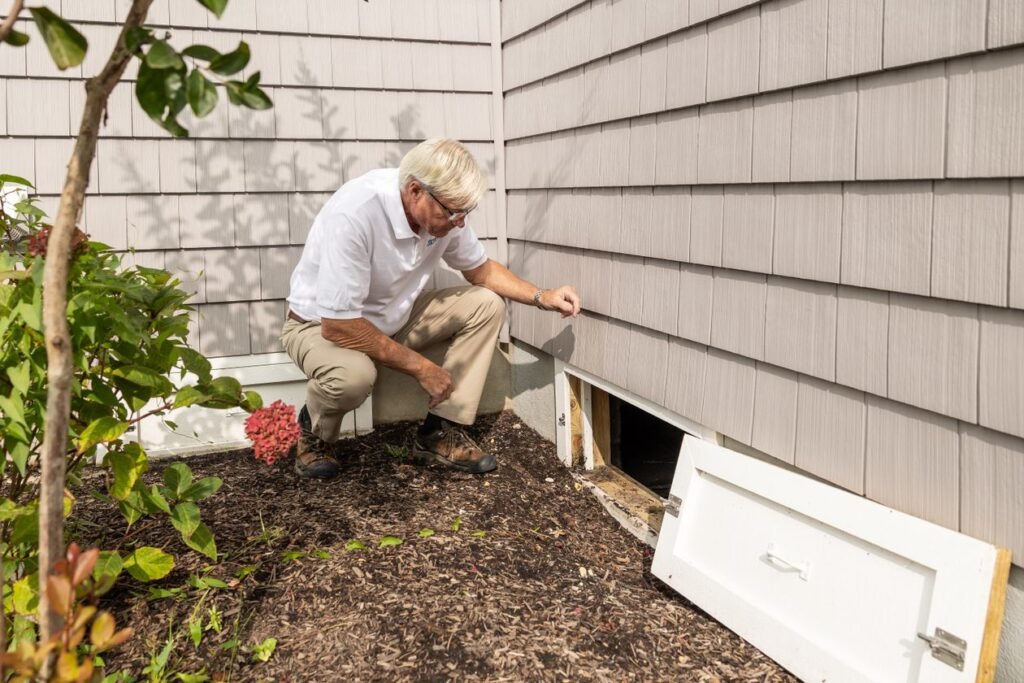
Look for an access hatch outside or inside the home, vents around the foundation, and a gap between the ground and the floor joists. If you cannot find an access point and your floors sit on concrete, you likely have a slab foundation, and you should stop here and read about slab issues instead. Our slab leak detection guide helps you sort a plumbing leak from a moisture problem in a slab home. If you do have a crawl space, note its height, whether standing water appears after rain, whether vents stay open, and whether you see mold, musty smells, sagging insulation, or pest signs. Those notes shape the system you need. A dry, high crawl space needs far less work than a low space that floods, and a provider who quotes without asking about water history is guessing, not designing.
What a complete encapsulation system includes
A complete system has several parts working together, not just a sheet of plastic on the ground. It starts with water control: grading, drainage, and a sump arrangement where water actually collects, so water has a path out instead of sitting under the plastic. Next comes sealing: a heavy vapor barrier on the ground and up the foundation walls, sealed seams, sealed vents, and a sealed access door, so outside humid air cannot simply enter around the edges. Then comes moisture control: a dehumidifier sized for the space, with a drain that runs somewhere sensible, not into a bucket you must empty by hand. Insulation may follow on walls or between joists, depending on the design. If a quote lists only a liner and nothing about drainage, sealing, or drying, treat it as a partial job. Ask the provider to walk through each part and explain what happens to water that still gets in, because that answer separates a real system from a cover.
Questions to ask a local provider
Good providers welcome specific questions, so use them as a test. Ask how they handle standing water before sealing, how seams and vents will be sealed, what dehumidifier size they propose and why, where the dehumidifier will drain, and how you will check humidity afterward. Ask whether they will photograph the space before, during, and after the work, and whether you will receive those photos. Ask what is covered if the liner tears, if a seam opens, or if humidity stays high, and get that answer in writing. Ask for the full scope, not just a total price, so you can compare one quote against another line by line. A provider who cannot explain drainage and drying in plain language, or who pressures you to sign the same day, is a warning sign.
Red flags in quotes and sales visits
Watch for a quote that is far lower than every other quote but lists far less work, because the missing drainage or dehumidifier often becomes a second bill later. Watch for scare language about health or structure with no photos, no moisture reading, and no written scope. Watch for a one size system offered to every home, because crawl spaces differ in height, water history, and access. Watch for a provider who will not let you see the space or who discourages a second opinion. Watch for a warranty that sounds strong in conversation but is vague on paper, especially about what happens if water returns. None of these signs alone proves bad work, but together they mean slow down and get another quote. If pipe concerns under a slab are involved, see our slab leak repair guide. slab leak repair
What to check after the work is done
Check that seams are sealed, vents are closed and sealed, the access door closes tightly, the liner runs up the walls, and the dehumidifier drains correctly. Ask for the starting humidity reading and the target range, and ask how often the dehumidifier filter needs attention. Set a simple follow through routine: check the space after the next heavy rain, listen for the dehumidifier running, and watch for new musty smells inside the home. If humidity stays high or water appears under the liner, call the provider promptly and refer to the written scope, because early reporting makes a warranty claim far easier than a complaint made months after the problem started.
Frequently Asked Questions
Does every crawl space home in Little Elm need encapsulation?
No. A dry crawl space with good drainage, no standing water, and no moisture damage may only need monitoring and minor vent or drainage fixes. Encapsulation fits homes with ongoing dampness, musty air, wet insulation, or standing water. Start with an inspection and moisture readings, not with a sales quote.
What if my home is on a slab, not a crawl space?
Encapsulation does not apply to a slab home, because there is no underfloor space to seal. Moisture, warm floors, water loss, or a rising water bill in a slab home point toward a plumbing or slab leak question instead. Get that checked first before spending on any crawl space product.
How long does encapsulation work take?
Time depends on size, height, access, and whether drainage work comes first. A small, dry space may take a short visit, while a large space with water control work takes longer. Ask the provider for a written schedule by phase, drainage first, sealing second, drying equipment last, so you can judge whether the plan is realistic.
Will encapsulation fix sagging floors by itself?
No. Encapsulation controls moisture, but it does not lift floors or replace damaged joists and supports. If floors sag, bounce, or slope, the structure needs its own assessment and repair plan. Treat moisture control and structural repair as two jobs, and do not let one quote hide the other.
Call for a clear next step
If you have a crawl space and you are not sure whether encapsulation fits your home, start with an inspection and a written scope, not with a product name. Describe your home, your water history, and what you have noticed under the floor, and ask what a complete system would include for that specific space. Call +1 (972) 472-8573 for help deciding the next step for your home in Little Elm and nearby areas.