
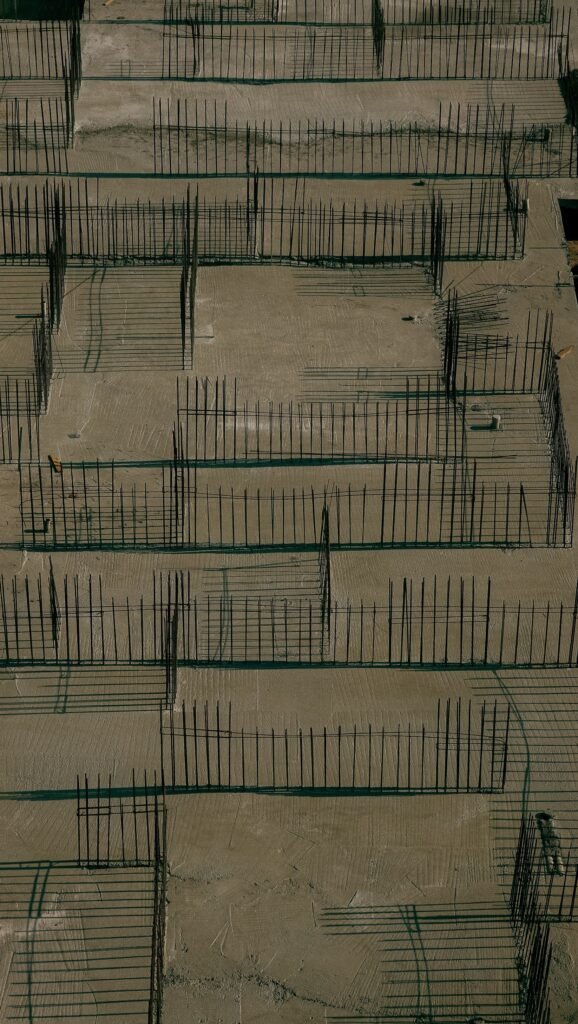
A slab leak is a leak in a water pipe that runs under or inside the concrete slab foundation of your home. Water escapes from the pipe into the soil or under the flooring, instead of staying inside the pipe and reaching your taps. Because the pipe is hidden under concrete, the leak is often invisible at first. You notice its effects instead: a higher water bill, a warm spot on the floor, damp flooring, the sound of running water when nothing is on, or new cracks. This guide explains, in plain terms, what a slab leak is, how it starts, and what to do first, so you can act calmly instead of guessing.
A slab, and the pipes under it
Many homes, including many homes in North Texas, are built on a concrete slab foundation. The slab is a thick layer of concrete that sits on soil, and the home is built on top of it. Water supply pipes and drain pipes run under or through that slab to reach kitchens, bathrooms, laundry rooms, and water heaters.
A plumbing leak in a slab happens when one of those pipes develops a crack, a pinhole, a failed joint, or a break, and water or wastewater escapes. A small pinhole can leak for a long time before it is noticed, because the water spreads into soil or under flooring rather than pooling in an obvious place.
Supply leaks versus drain leaks
Not all slab leaks behave the same way, and the difference matters when you try to work out what you are seeing.
| Type | How it works | Common signs |
|---|---|---|
| Supply line leak | A pressurised water line leaks continuously, even when taps are off | Rising water bill, water meter moving with everything off, sound of running water, warm spot for a hot water leak, damp floor |
| Drain line leak | A non pressurised drain pipe cracks or fails at a joint, letting wastewater escape when fixtures are used | Damp or foul smelling areas, slow drains, damp flooring that appears after use, damage near bathrooms or kitchens |
A supply leak is often easier to suspect, because it wastes water all the time. A drain leak can be harder to spot, because it may only leak when water is actually draining. If you are unsure which type you have, note when the signs appear: all the time, or only after using a fixture. That note helps a plumber narrow down the search.
Hot water leaks versus cold water leaks
Hot water and cold water slab leaks also look different, and that difference can help you describe the problem clearly.
- Hot water leak: often creates a warm spot on the floor directly above the leak, because hot water heats the slab and flooring. You may also notice the water heater running more often, or hot water running out sooner than usual.
- Cold water leak: rarely creates a warm spot. It more often shows up as a rising water bill, a damp area, low pressure, or the sound of running water, with no temperature clue to point to the spot.
A warm spot is a useful clue, but it is not proof on its own. A warm spot can also come from heating, sunlight, or an appliance. A cold water leak, meanwhile, can be present with no warm spot at all. Treat any single sign as a clue, not a diagnosis.
How slab leaks start
Slab leaks usually start slowly, from a combination of pipe, soil, and installation factors. The common causes include:
- Corrosion: metal pipes, especially older copper pipes, can develop pinhole leaks over time as water chemistry and soil minerals react with the pipe wall.
- Abrasion: pipes expand and contract with temperature changes, especially hot water lines. If a pipe rubs against concrete, rebar, or sharp material in the backfill, the outside of the pipe can wear thin.
- Soil movement: in areas with expansive clay soil, the ground swells when wet and shrinks when dry. That movement can bend, stress, or shift buried pipes.
- Poor installation: weak joints, thin bedding under pipes, sharp bends, or pipes damaged during construction can fail earlier than a well installed system.
- High water pressure: sustained high pressure stresses pipes and joints, and can turn a small weakness into a leak sooner.
No single cause explains every slab leak, and in many homes more than one factor is at work. A pipe that was already thin from corrosion, sitting in moving soil, is more likely to fail than a pipe affected by only one factor.
Signs that, together, point to a slab leak
One sign alone does not prove a slab leak. A pattern of signs, across bills, floors, walls, and the yard, is far more telling. Look for a combination such as:
- A water bill that rises without a change in how much water you use
- A water meter that turns, or shows flow, when all taps and appliances are off
- The sound of running water or hissing, when nothing is running
- A warm spot on the floor, especially over a hot water line
- Damp spots, warped flooring, or mildew near the floor
- Low water pressure with no obvious cause
- New cracks in floors, walls, or the foundation
- Puddles or unusually damp soil near the slab, with no rain to explain them
If you notice one sign, check for others before you assume the worst. If you notice three or more, especially a bill rise plus a meter moving plus a floor sign, treat it as a strong reason to get professional detection, not as a reason to wait and see.
A simple sign pattern checker
Use this checker before you call, so you can describe the pattern clearly:
- Bill: Has your water bill risen, and by roughly how much, over how many months?
- Meter: Does the meter move when everything is off? Note the reading, wait without using water, and check again.
- Floor: Is there a warm spot, a damp spot, or a warped area? Where exactly, and how large?
- Sound: Do you hear running water when nothing is on? Where does it sound loudest?
- Pressure: Has pressure dropped, and is it everywhere in the house or only at one fixture?
- Outside: Is there damp soil, a puddle, or new cracking near the foundation?
Write down the answers. A plumber who hears a clear pattern can plan detection far better than a plumber who hears only “I think I have a leak somewhere”.
What to do in the first hour
If you suspect a slab leak, you do not need to dig, break concrete, or open walls. Those steps come later, after detection, and doing them blind can cause damage without finding the leak.
In the first hour, do this:
- Turn off water to fixtures you are not using, and avoid running taps, showers, or appliances while you check the meter.
- Check the meter as described above, and note the reading and the time.
- Walk the house and note every sign: warm spots, damp areas, sounds, cracks, and pressure changes, with their locations.
- Take photos of damp areas, cracks, and the meter reading, so you have a record even if the signs change.
- If water is actively pooling, or a floor is rapidly becoming wet, shut off the main water supply and call for professional help promptly, rather than waiting for the leak to stop on its own.
- Do not ignore the problem because the signs seem small. A small pinhole leak can waste a large amount of water over weeks, and can saturate soil under the foundation over time.
If you have to shut off the main water supply, tell everyone in the house, so no one turns on a tap or appliance and wonders why nothing works. Note where the shut off is, so you can turn water back on when advised.
What detection involves, in brief
Professional slab leak detection is about locating the leak before any concrete is opened. It may involve a meter test, listening equipment, thermal imaging for hot water leaks, pressure testing to isolate a line, tracer gas in some cases, and camera inspection for drain lines. The aim is to find the leak accurately, so repair work opens as little as possible.
You do not need to choose a detection method yourself. What helps is a clear description of the signs, as above, and a willingness to ask what each test can and cannot prove. A good detection report should show where the leak is believed to be, what tests were used, and what the next repair options are, rather than simply saying “there is a leak somewhere”.
When pipes are leaking, and when it is something else
Pipes leaking under a slab are only one possible cause of damp floors, high bills, or cracks. Other causes include a leaking appliance, a roof or window leak that reaches the floor, a condensation problem, a sewer backup, or normal foundation movement in expansive soil.
That is why a pattern matters more than a single sign, and why detection matters more than guessing. If detection shows no slab leak, that is useful information too, because it points the search toward appliances, fixtures, or drainage, rather than toward breaking concrete.
Frequently asked questions
What is a slab leak, in one sentence?
A slab leak is a leak in a water supply or drain pipe that runs under or inside a home’s concrete slab foundation, so water escapes into soil or under flooring instead of staying in the pipe.
How do I know if I have a slab leak, or just a high water bill?
A high bill alone does not prove a slab leak. Check for a pattern: a bill rise, plus a meter that moves with everything off, plus a floor sign such as a warm or damp spot, or the sound of running water. A pattern is far stronger evidence than any one sign alone.
Are hot water slab leaks easier to find than cold water leaks?
Often, yes, because a hot water leak can create a warm spot on the floor that points to the area. Cold water leaks have no temperature clue, so they are usually found through meter tests, listening equipment, and pressure testing.
Can a slab leak cause foundation damage?
A leak that runs for a long time can saturate and erode soil under the foundation, which can contribute to settling or cracking over time. That is why early detection matters, even when the leak seems small. It does not mean every leak has already damaged the foundation.
Should I try to find the leak myself by breaking concrete?
No. Breaking concrete without accurate detection can cause damage without finding the leak, and can make repair more expensive. Detection should come first, so any opening is made in the right place.
What should I do first if I suspect a slab leak?
Check the meter with everything off, note every sign and its location, take photos, and if water is actively pooling, shut off the main supply and call for professional detection promptly.
Pingback: How to Find a Slab Leak Plumber Near You: A Vetting Checklist
Pingback: Slab Leak Repair Cost: What Changes the Quote and What to Ask
Pingback: Slab Leak Repair in Little Elm TX: Methods, Signs and What to Expect
Pingback: Slab Leak Detection in Little Elm TX: Methods, Tests and Reports
Pingback: Slab Leak Repair in Carrollton TX: Signs, Methods and Local Guide
Pingback: Slab Leak Repair in McKinney TX: What Homeowners Should Know
Pingback: Slab Leak Repair in Plano TX: Signs, Detection and Repair Options
Pingback: Slab Leak Repair in Richardson TX: A Local Homeowner Guide
Pingback: Slab Leak Repair in Dallas TX: Signs, Methods and Cost Factors