
When a sewer line fails, most homeowners picture the same thing: a backhoe tearing up the yard, a long open trench, and weeks of restoration. The direct answer is that full excavation is no longer the only option. Trenchless methods can repair or replace a sewer line through small access points, with no continuous trench, and in many cases they are the better choice. This guide explains the main alternatives to traditional sewer line excavation and replacement, how each one works, when each one fits, and when digging is still the right call.

What Traditional Excavation Involves
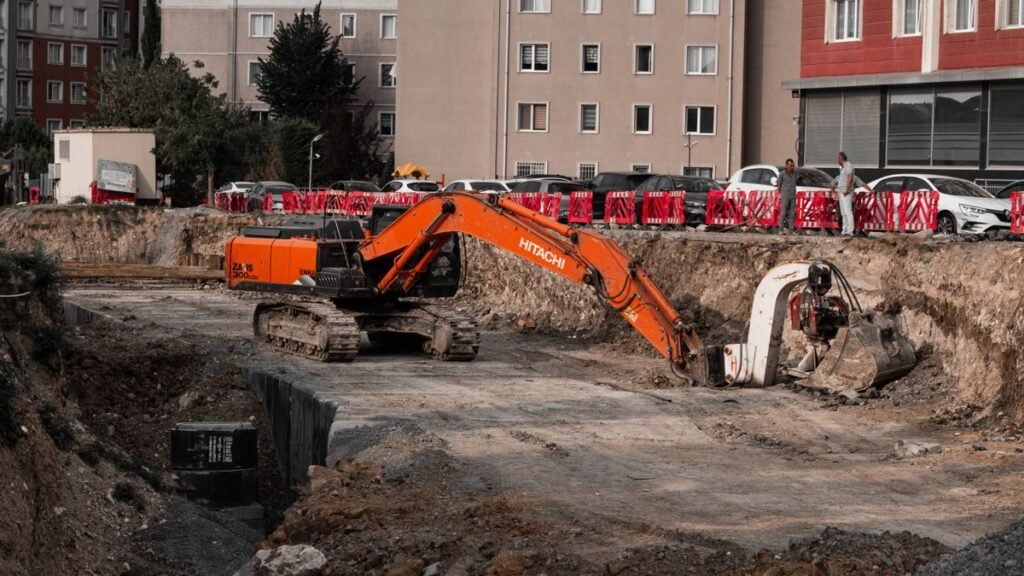
Traditional sewer line excavation means digging an open trench along the full length of the failed pipe, removing the old line, laying a new one, and then backfilling and restoring everything above it. It works on almost any pipe in any condition, which is why it is still the fallback when nothing else fits. The trade off is disruption. A trench can cross a lawn, a driveway, a patio, or a mature tree, and all of that surface has to be rebuilt after the pipe is in. That disruption is the reason alternatives exist. Every method below tries to do the same job with less digging, and each one trades something in return.
Cured in Place Pipe Lining
Cured in place pipe lining, often called CIPP lining, creates a new pipe inside the old one. A flexible liner soaked in resin is pulled or inverted into the damaged line, inflated so it presses against the old pipe wall, and then cured with hot water, steam, or light until the resin hardens into a smooth, joint free tube. The result is a seamless pipe inside the original, with no joints for roots to enter. Access is usually through an existing cleanout or a single small pit.
Lining fits best when the old pipe is cracked, leaking at joints, or damaged by roots, but is still round and holding its shape. It does not fit a pipe that has collapsed, lost its slope, or is badly misaligned at a joint. Lining slightly reduces the inside diameter, so it does not fit a line that is already undersized. A guide to what trenchless sewer repair is explains the lining process in more detail.
Pipe Bursting
Pipe bursting is a full replacement without a full trench. A bursting head is pulled through the old line, breaking the old pipe apart and pushing the fragments outward into the surrounding soil, while a new pipe is pulled in directly behind it. The new pipe is usually seamless high density polyethylene with fused joints.
Bursting fits when the old pipe is too damaged for a liner, for example a clay or cast iron line that is fractured along its length, but the line still follows a usable path with a workable slope. It does not fit a line with a solid blockage, a severe sag, or one that runs too close to other buried utilities. As a replacement rather than a repair, bursting is the closest trenchless match to excavation.
Spot Repair, Sectional Lining, and Coating
When the damage is limited to one short section, a full length fix is more than the problem needs. A spot repair digs a single small pit at the damaged section and replaces just that piece of pipe. Sectional lining does the same job without digging, sealing a single cracked joint or root entry point with a short liner cured in place. These targeted fixes fit a line that is mostly sound, with one clear problem area shown on camera. They do not fit a line with damage in several places.
Epoxy coating, sometimes called spray in place pipe lining, coats the inside of the pipe with a resin layer that is sprayed or spun onto the wall. It seals small cracks and pinhole leaks. Slip lining pulls a slightly smaller new pipe inside the old one and seals the gap. Both need a host pipe that is still structurally sound.
Comparing the Alternatives
| Method | Digging needed | Best for | Cannot fix |
|---|---|---|---|
| CIPP lining | None, or one small pit | Cracked pipe, leaking joints, root damage | Collapse, sag, lost slope |
| Pipe bursting | Two small pits | Fractured pipe, full replacement | Collapsed blockage, severe sag, lines near other utilities |
| Spot repair or sectional lining | One small pit, or none | One damaged section in a sound line | Damage in several places, an aging line |
| Epoxy coating | None | Light leaks and pinholes in a sound pipe | Structural failure, sagging, collapse |
| Open trench excavation | Full trench | Collapse, sag, wrong slope, wrong location | Nothing, but most disruptive |
When Excavation Is Still Required
Trenchless methods have real limits, and a good contractor will say so before the work starts. Full excavation is still required when the pipe has collapsed for a long stretch, when a section has sagged and holds standing water, when the line was installed at the wrong slope, or when the line is in the wrong place or size. Lining cannot restore slope and bursting cannot pass a solid blockage, so these problems can only be fixed by exposing the pipe and regrading it. Excavation can also be the simpler choice when the line is shallow and the yard is open. A trenchless sewer line replacement guide walks through the same decision step by step, and a guide to no dig sewer line replacement explains when a line qualifies for a trenchless fix and when it does not.
How to Choose the Right Method
Start with a camera inspection. No method should be chosen from symptoms alone, because slow drains and odors can come from several different problems. The camera shows the pipe material, the condition of the joints, the slope, and the exact location of the damage, and that footage is what a contractor uses to recommend lining, bursting, spot repair, or digging. Then ask what the camera showed, why this method and not the others, what happens if the pipe is worse than expected, which surfaces will be disturbed, and what warranty applies. The length and depth of the line, the pipe material, the access points, the soil, and the surface to restore all shape the final figure.
When to Call ElmLeak
Call if drains are slow in several fixtures at once, if sewage odors keep returning, if the yard has a wet patch that never dries, or if a camera inspection has already shown a break, a root mass, or a collapsed section. If you are in Little Elm, call ElmLeak at +1 (972) 472-8573.
Frequently Asked Questions
Can a sewer line be replaced without digging?
Yes, in many cases. Cured in place pipe lining creates a new pipe inside the old one, and pipe bursting pulls a new pipe through while breaking the old one apart. Both work through small access points with no continuous trench. They fit pipes that are cracked, leaking, or root damaged but still hold their shape and slope. A collapsed pipe, a sag, or a wrong slope still needs excavation.
What is the difference between pipe lining and pipe bursting?
Lining repairs the existing pipe by forming a new seamless tube inside it, so the old pipe stays in the ground and becomes the shell for the new one. Bursting replaces the existing pipe entirely, breaking it apart and pulling a new pipe in behind the bursting head. Lining fits a pipe that is damaged but still round, while bursting fits a pipe that is too fractured for a liner.
How do I know which trenchless method fits my sewer line?
A camera inspection decides it. The footage shows the pipe material, the condition of the joints, the slope, and the exact location and type of damage. Lining fits cracks and leaking joints in a round pipe, bursting fits a badly fractured pipe that still follows a usable path, and spot repair fits a single damaged section. A collapse, a sag, or a wrong slope means excavation.
Does trenchless repair work under a driveway or patio?
Yes, that is one of its main advantages. Lining and bursting both work through small access points, so a line running under a driveway, patio, or mature landscaping can be repaired or replaced without tearing up the surface above it. The access pits are dug at the ends of the run, so the surface between them stays intact.