
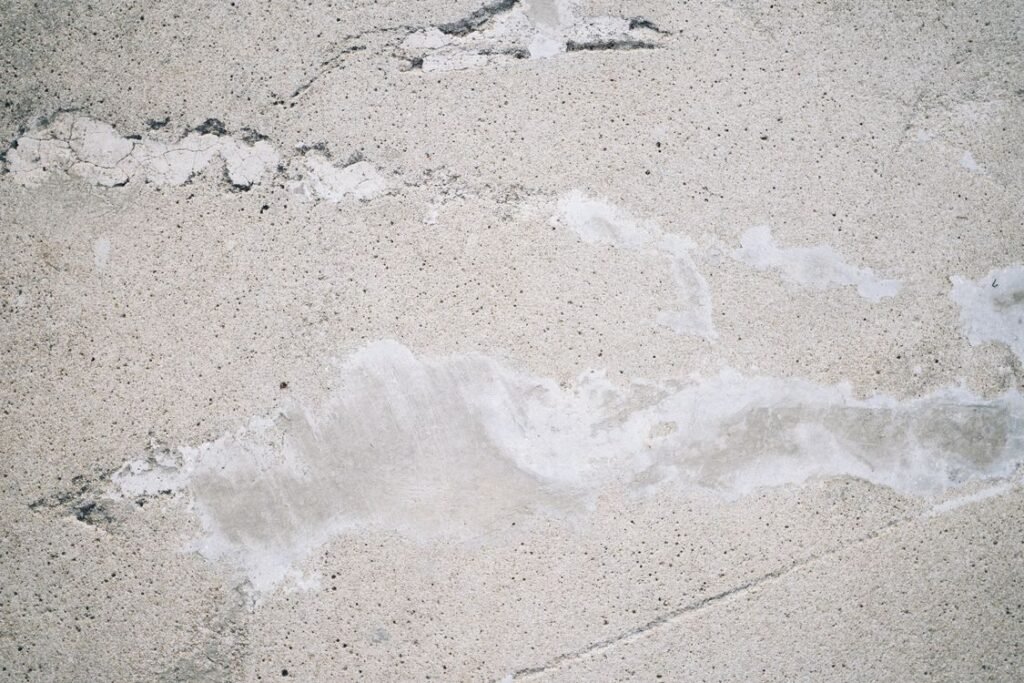
Many Little Elm homes sit on expansive clay soil, the sticky, dense soil type common across North Texas. Clay swells when it absorbs water and shrinks when it dries out. A concrete slab resting on that soil moves with it, gently and constantly, through wet and dry seasons. Most of the time that movement is small and harmless. Sometimes it is enough to crack a slab, stress a pipe, or shift a floor. Understanding that cycle helps you tell normal settling from a problem worth investigating.
This guide explains the soil cycle in plain terms, the warning signs that matter, and the practical steps you can take around your home. It does not replace a professional inspection. Use it to decide when watching is enough and when testing is the smarter move.
What expansive clay does under a slab
Clay particles absorb water like a sponge and expand as they do. When rain or irrigation soaks the soil under and around a slab, the clay swells and pushes upward. When a dry spell pulls moisture out, the clay shrinks and the support under the slab drops in places. The slab itself is rigid, so it cannot bend to follow uneven support. Instead, stress builds up until something gives: a crack in the slab, a crack in a wall, or a pipe joint strained past its limit.
The key point is unevenness. If the whole slab rose and fell together, little harm would follow. Problems start when one side stays wet while another dries, or when water collects near one corner of the home. That uneven support is what turns ordinary soil movement into damage. Anything that evens out soil moisture around your home reduces that risk, which is why drainage and watering habits matter more than most homeowners expect.
The seasonal cycle: wet winters, dry summers
North Texas weather drives a yearly rhythm. Wetter periods swell the clay, and hot, dry summers shrink it. The movement is slow, measured in weeks and months rather than days, which is why damage often appears gradually: a door that sticks a little more each summer, a crack that lengthens across seasons, a floor that feels slightly less level than it did last year.
Trees and large shrubs add to the pattern, because their roots draw moisture from the soil near the home during dry periods. A large tree close to one corner can dry that corner faster than the rest, increasing uneven movement. This does not mean you should remove every tree. It means you should watch the corners near large trees more closely and keep soil moisture as even as practical around the foundation.
Warning signs to watch for
Walk your home twice a year, once after a wet period and once after a dry one, and look for these signs:
- Cracks in brickwork, especially stair step cracks that follow mortar joints, and cracks in interior walls near doors and windows.
- Doors and windows that stick, or that used to close cleanly and no longer do.
- Gaps opening between walls and ceilings, or between baseboards and floors.
- Tile cracks, grout cracks, or floors that feel uneven or springy underfoot.
- Water signs at the same time as movement signs, such as damp patches, warm floor spots, or a rising water bill.
That last item deserves emphasis. Soil movement alone and a slab leak can look similar from the surface, and the two can even occur together, since a shifting slab can stress a pipe into leaking. If movement signs appear alongside any water sign, do not assume soil alone is the cause. A slab leak detection visit separates the two questions quickly, and detection in Little Elm costs $200 to $450.
What you can do around your home
You cannot change the soil under your home, but you can even out the moisture around it. Keep gutters clean and make sure downspouts carry water well away from the foundation rather than dumping it beside the wall. Grade the soil near the home so surface water flows away from the slab instead of pooling against it. Fix outdoor taps and irrigation leaks promptly, since a steady drip beside the foundation keeps one area wetter than the rest.
During long dry spells, avoid letting the soil near the foundation dry out completely while the rest of the yard stays watered. The goal is even moisture, not a soaked yard. Water the foundation zone lightly and consistently if your area is in drought, following any local watering rules in force. These habits do not guarantee a crack free slab, but they remove the uneven moisture swings that cause the worst movement, and they cost far less than any repair.
When a crack means call a specialist
Small, stable hairline cracks that do not change over a year are often just the home settling, and they deserve watching rather than action. Call for help sooner when a crack is growing, when several signs appear together, when a door or floor changes noticeably in a short time, or when any water sign joins the picture. Growth and combination are the two patterns that turn a watch item into an inspection item.
If a leak is confirmed, the repair choice depends on the location and the line condition, just as with any slab leak. A single accessible leak may suit a direct slab leak repair, while a leak under finished flooring may point toward rerouting or tunneling. Soil movement does not change the repair options. It changes the urgency of finding the leak before the next seasonal swing adds more stress.
Frequently Asked Questions
Is every crack in a Little Elm home caused by clay soil?
No. Cracks also come from normal settling, temperature changes, and construction details. Clay soil is one common cause in North Texas, not the only one. A growing crack, or one paired with water signs, is the version that deserves professional attention.
Can watering my foundation prevent slab cracks?
Even soil moisture reduces uneven movement, which lowers risk, but it cannot prevent all cracks. Think of it as risk reduction, not a guarantee, and keep the watering light and even rather than flooding one area.
Should I fill cracks I find?
Filling a small, stable cosmetic crack is fine for appearance, but do not treat filling as a fix for a growing crack. Monitor a filled crack: if it reopens or lengthens, the movement is still active and needs investigation.
How do I tell a soil crack from a leak problem?
Look for water evidence. Soil movement alone does not raise your water bill, warm your floor, or dampen carpet. Any of those signs alongside movement points toward a leak check first.
If your home shows movement signs plus any water sign, do not wait for the next season to decide. Call (972) 555 0134 or reach us through the contact page, and we will help you find out what is actually happening under your slab.