

You spot a thin line running across your foundation wall, and the first question is the only one that matters: is this serious, or is it normal? The direct answer is that a foundation hairline crack is usually not serious. A hairline crack is thinner than one sixteenth of an inch, about the width of a credit card edge, and concrete shrinks as it cures, so hairlines are normal in almost every home and cosmetic about 95 percent of the time. This guide explains what counts as a hairline crack, why it appears, how to watch it properly, and when to get an evaluation.
What Counts as a Hairline Crack
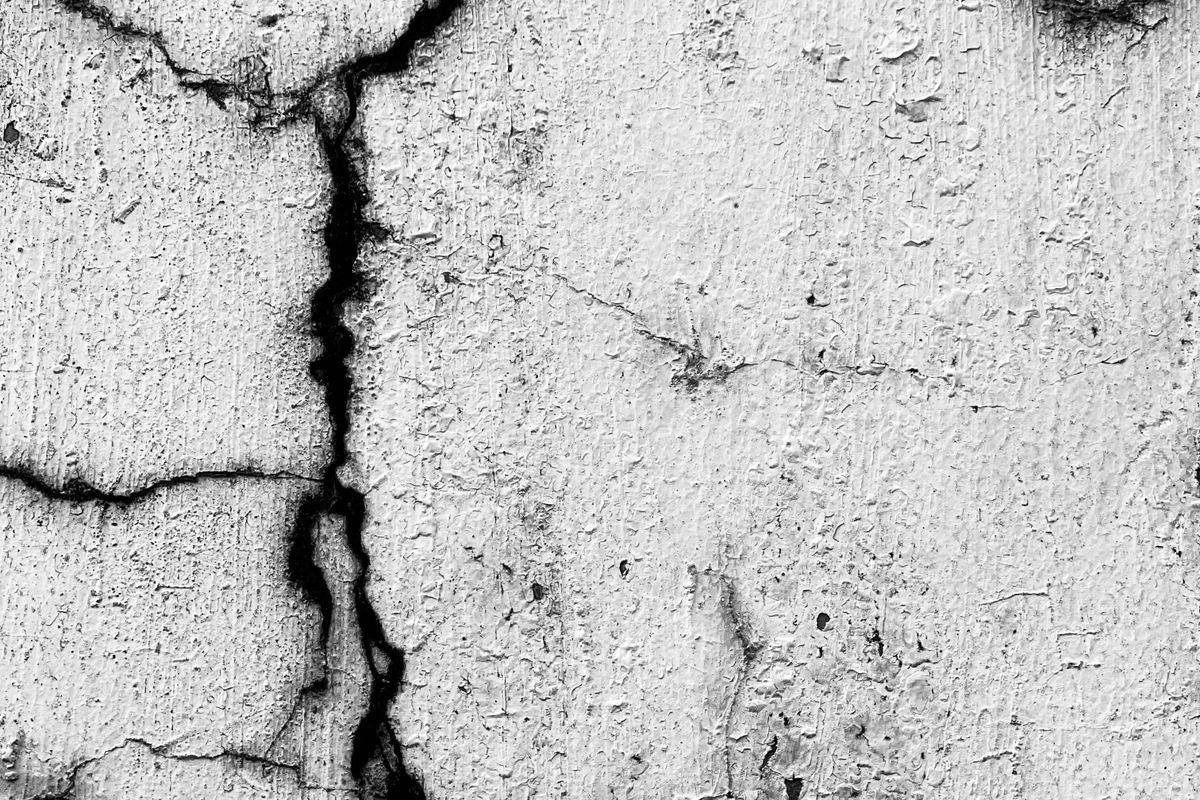
A hairline crack is defined by its width. If the line is thinner than one sixteenth of an inch, so thin that a credit card edge barely fits into it or will not fit at all, it is a hairline crack. Most are vertical or slightly diagonal, short, and even in width from one end to the other. They often appear in the first year after a foundation is poured. A foundation hairline crack is not the same as a wide crack or a crack with one side higher than the other, and that difference decides whether you can relax or need help.
Measure before you decide anything. Hold a credit card edge against the crack, or use a simple crack gauge from a hardware store, and write the width down with the date. Take a clear photo with a coin beside the crack for scale. A crack you have measured is a fact you can track, while a crack you only glanced at is a worry you will carry for months.
Why Hairline Cracks Appear
Concrete shrinks as it cures, and that shrinkage is the most common cause of a hairline crack. Fresh concrete holds a lot of water, and as the water leaves and the concrete hardens, the slab or wall contracts slightly. The contraction has to go somewhere, and in a long wall it often shows as a thin vertical line. This is normal and expected. Almost every concrete foundation develops at least one hairline crack as it cures, and most never change after that first year.
Soil movement is the second cause, and it matters more in Little Elm than in most places. Our expansive clay swells when it is wet and shrinks when it is dry, and that seasonal movement tugs at the foundation from below. A small shift can open a thin crack, and the next season can close it again. Temperature change adds a third cause: concrete expands in summer heat and contracts in winter cold. None of these causes means the foundation is failing, but together they explain why a hairline crack can appear years after the house was built. Our guide on why foundations crack covers these causes in more detail.
How to Watch a Hairline Crack Over a Full Year
Watching a crack properly takes one full summer and winter cycle, because a crack that only moves with the seasons is behaving normally, while a crack that keeps growing in the same direction is not. Mark each end of the crack with a pencil, write the date beside the marks, and take a photo. Then repeat the check every month, and write down whether the line has passed the pencil marks or widened.
Keep the notes simple and consistent. Record the width, the length, the date, and the weather, and keep the photos in one folder on your phone. A crack that stays the same width for a full year is stable, and a stable hairline crack is a cosmetic issue you can seal and forget. A crack that grows every month, in every season, without ever shrinking back, is a crack that needs an evaluation, even if it is still thin.
When a Hairline Crack Needs an Evaluation
Get a professional evaluation if any one of these signs appears. Do not wait for a second sign, because each one on its own is enough to justify a closer look.
- It passes one eighth of an inch. A crack wider than one eighth of an inch is no longer a hairline crack, and it needs an evaluation even if nothing else has changed.
- It keeps widening. A crack that grows month after month, through summer and winter alike, is moving for a reason that seasonal soil change does not explain.
- One side is higher than the other. Run your hand across the crack. If one side sits higher than the other, the foundation is shifting vertically, not just shrinking.
- It runs horizontally. A horizontal crack in a foundation wall suggests pressure from the soil outside, and horizontal cracks are evaluated differently from vertical ones.
- It appears with other symptoms at the same corner. A crack plus a sticking door, a sloping floor, or a gap at the ceiling in the same corner points to movement in that part of the foundation.
- Water comes through it. A crack that lets water into a basement or crawl space needs sealing at least, and an evaluation if the water keeps coming after the seal.
An evaluation is not a repair quote, and it does not commit you to any work. A foundation specialist will measure the crack, check the level of the floors, look at the soil and drainage around the house, and tell you whether the crack is cosmetic or structural. Ask for the findings in writing, with the measurements.
How to Seal a Hairline Crack
Seal a hairline crack if it looks bad, if it lets water in, or if you want a clean surface to watch for future movement. A sealed crack is easier to monitor, because any new movement will show as a fresh line across the seal. Use a polyurethane filler made for concrete cracks, and follow the product instructions closely. Clean the crack first with a stiff brush, remove loose dust and flakes, and apply the filler so it fills the full depth of the line. Do not seal a crack that is still growing, because the filler will split and hide the movement you need to see. Cracks in a new foundation are especially common in the first year, and the same watch and seal approach applies to them.
When to Call ElmLeak
Most hairline cracks need nothing more than a pencil mark and a monthly check. Call for help if the crack passes one eighth of an inch, keeps widening, has one side higher than the other, runs horizontally, or appears with other symptoms at the same corner. If you are in Little Elm and you are unsure whether your crack is a hairline or something more, call ElmLeak at +1 (972) 472-8573.
Frequently Asked Questions
Is a foundation hairline crack serious?
In most cases, no. A hairline crack is thinner than one sixteenth of an inch and is usually caused by concrete shrinking as it cures, which is normal in almost every home. It becomes a concern only if it widens past one eighth of an inch, keeps growing, has one side higher than the other, or appears with other symptoms.
How do I know if a crack is a hairline crack?
Measure it. If a credit card edge barely fits into the crack or will not fit at all, and the width is under one sixteenth of an inch, it is a hairline crack. Write the width and the date down, and take a photo with a coin beside the crack for scale.
Should I seal a hairline crack in my foundation?
Seal it if it looks bad or lets water in, using a polyurethane filler made for concrete cracks. Clean the crack first, fill the full depth, and let it cure before painting. Do not seal a crack that is still growing, because the filler will split and hide the movement you need to see.
How long should I watch a hairline crack before I relax?
Watch it over one full summer and winter cycle. Mark each end with a pencil and the date, check it monthly, and note any change in width or length. A crack that stays the same for a full year is stable, while a crack that grows every month in every season needs an evaluation.